Choosing the right boat has always been a major decision for Australian fishos, families, and adventure-seekers. The conversation around Aluminium Boats vs Fibreglass has been ongoing for years, but the landscape in 2025 looks clearer than ever. With changing boating habits, tougher coastal conditions, and growing interest in durability and low-maintenance ownership, aluminium boats continue to stand out as the smarter choice for many Australians.
At Sea Raider, we’ve watched the Australian market evolve, and the advantages of modern aluminium plate boats have become even more relevant. Whether buyers are looking for aluminium fishing boats to take offshore, a durable vessel for exploring creeks and estuaries, or simply a hardworking boat that lasts, aluminium continues to prove its value.
This article brings together insights and principles reflected across major discussions on the topic and reshapes them into a comprehensive, Australian-focused guide. Below are the top five reasons aluminium takes the lead in the Aluminium Boats vs Fibreglass debate in 2025.
Understanding the Aluminium vs Fibreglass Debate
Before diving into the top reasons aluminium comes out ahead, it helps to understand why these two materials are compared so often. Fibreglass boats have long been appreciated for their sleek styling, smooth finish, and softer ride in certain conditions. Aluminium boats, on the other hand, have built their reputation on strength, usability, and versatility.
In recent years, Australians have increasingly gravitated toward aluminium boats for their balance of toughness and practicality. With modern manufacturing now producing cleaner welds, stronger hulls, and refined designs, the gap in comfort and aesthetics has narrowed, while aluminium continues to hold major structural and cost-efficiency advantages.
What follows is a deeper look into what truly matters when choosing a boat suited for Australian waters and exploring why aluminium plate boats have become the preferred option for so many.
Reason #1 – Superior Durability and Strength in Harsh Australian Conditions
One of the leading advantages that consistently places aluminium ahead is its ability to handle Australia’s rugged coastline, shallow estuaries, sandbanks, and rocky environments. Aluminium hulls are renowned for their impact resistance, making them ideal for unpredictable waterways where bumps, scrapes, and contact with obstacles are not uncommon.
Fibreglass hulls can show stress cracks or structural damage when subjected to repeated impact or abrasion. In contrast, aluminium plate construction offers a level of resilience that suits both beginners and seasoned boaters. The material’s flexibility allows it to absorb impact without cracking, which is essential in regions where sandbars shift, riverbeds change after storms, and coastal waters frequently reveal unexpected hazards.
For owners navigating inshore channels or launching from less-than-perfect ramps, aluminium’s toughness is invaluable. The strength of an aluminium plate boat means fewer worries about minor knocks, making boating more enjoyable and reducing the potential need for costly repairs.
Aluminium Plate Boats Excel in Versatility
Modern plate aluminium boats for sale in 2025 reflect advances in hull design and engineering. These improvements mean aluminium plate boats can comfortably handle everything from shallow water runs to offshore fishing sessions. With thicker construction and robust welds, plate aluminium provides the stability and strength needed for long-term use in diverse environments.
Fibreglass models struggle with this same level of versatility, particularly when exposed to borderline or rough handling. Aluminium’s ruggedness remains one of the most compelling reasons it leads this comparison.
Reason #2 – Lower Maintenance and Long-Term Cost Efficiency
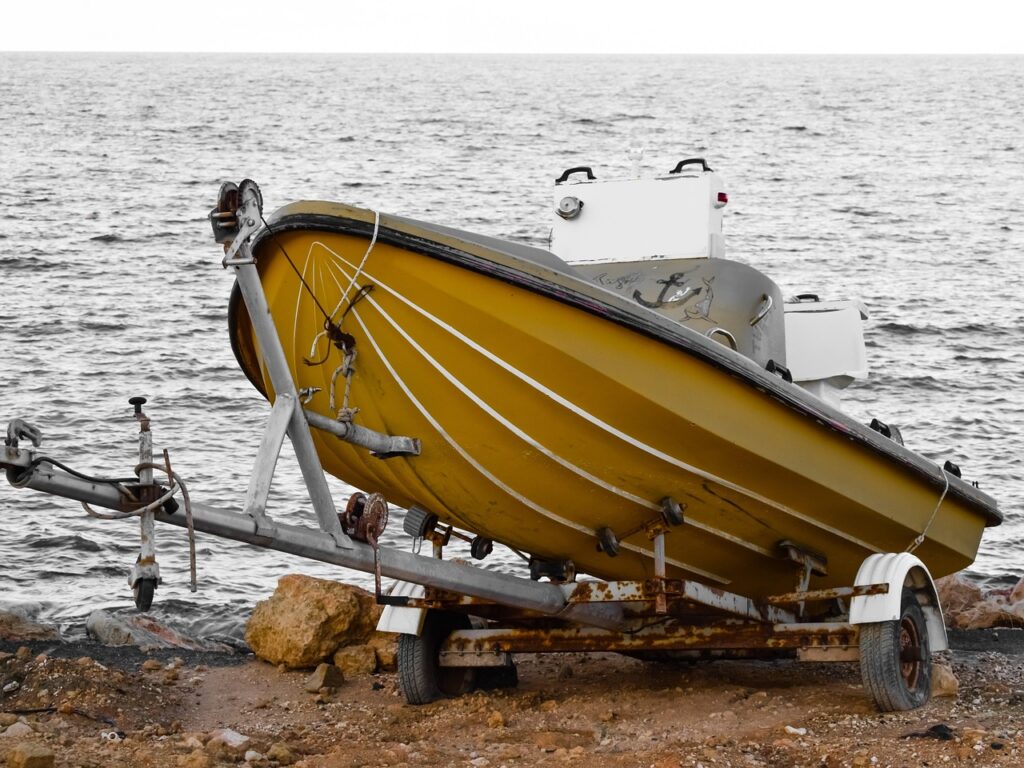
Maintenance is a crucial factor for Australians weighing up the purchase of Aluminium Boats vs Fibreglass. Aluminium requires minimal upkeep compared to its fibreglass counterpart. Owners do not need to wax the hull or worry about gelcoat fading, oxidation, or blistering. This reduction in ongoing care saves time and money and keeps aluminium boats looking clean and functional with significantly less effort.
Fibreglass boats can demand more labour-intensive care. Repairs to a fibreglass hull often require specialised skills, and even small cracks or chips may grow if not attended to promptly. Aluminium, however, resists the UV-related issues that plague fibreglass and can endure years of exposure without deterioration in structural integrity.
This cost-efficiency extends beyond repairs. The long-term durability of aluminium plate boats means fewer replacements and less downtime, giving owners a better return on investment. In Australia, where boating often involves saltwater exposure and outdoor storage, low-maintenance ownership is a major selling point.
Reduced Weight Means Lower Running Costs
Aluminium boats are generally lighter than fibreglass boats of similar size. This reduced weight has several practical advantages, including better fuel economy and easier towing. Many Australians appreciate the ability to tow their boat without upgrading to a heavier vehicle or worrying about challenging launch sites.
The lighter construction of aluminium plate boats also means improved efficiency on the water. Engines work less to move the vessel, further lowering fuel consumption and servicing costs over time.
Reason #3 – Practical Performance Benefits for Australian Boaters
While fibreglass boats are sometimes favoured for their smoother ride in ideal conditions, aluminium boats have become increasingly refined in hull design, reducing the once-perceived gap in comfort. Modern construction techniques allow aluminium boats to achieve impressive stability and ride quality, especially when built using plate aluminium.
Aluminium plate hulls cut through chop effectively and maintain better stability at rest, which is essential for activities like fishing. Australian waters can be unpredictable, and having a boat that holds firm while at anchor or drifting contributes to a safer, more comfortable boating experience.
In addition, aluminium boats are well-suited for shallow or rough launch sites, making them an excellent choice for regions where conditions vary widely. Their lighter weight and tougher construction make them easier to manage whether launching solo or with companions.
Performance in Real-World Environments
Across rivers, estuaries, bays, and offshore waters, aluminium consistently shows its strengths. The material’s structural resilience combined with enhanced hull shapes allows aluminium boats to perform well in both calm and challenging conditions. For many buyers comparing Aluminium Boats vs Fibreglass, this real-world flexibility is a decisive factor.
Fibreglass relies heavily on its moulded design for performance, but that same design becomes its limitation when durability or shallow-water capability is needed. Aluminium simply handles a broader range of situations with fewer worries.
Reason #4 – Greater Safety and Reliability for Australian Families and Fishers
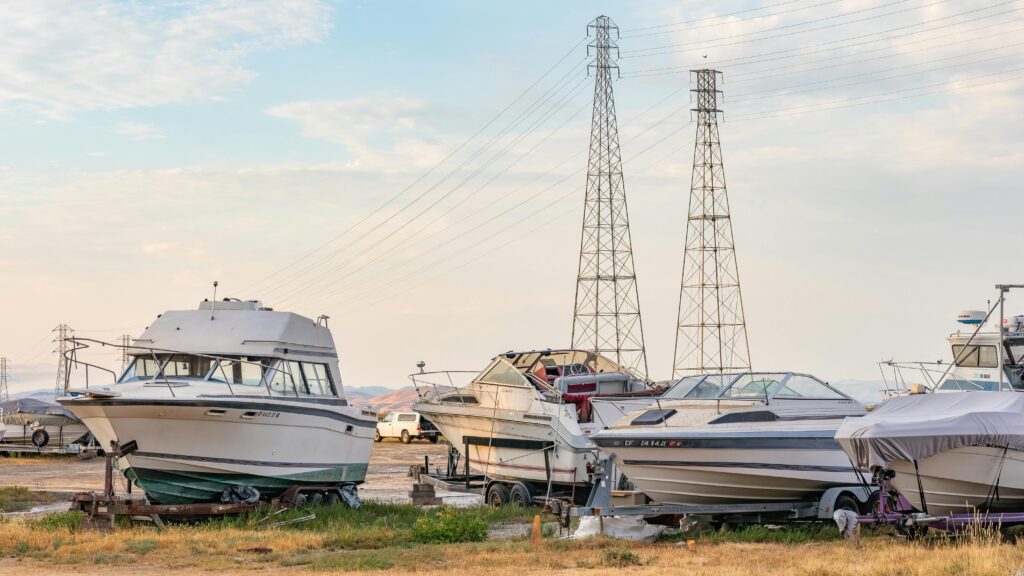
Safety is always central to boat ownership. Aluminium’s composition and construction offer peace of mind, especially for families, new boaters, or those frequently travelling to remote waters.
The toughness of aluminium hulls means they can withstand hard impacts without compromising their structure. This makes them particularly suitable for fishing in areas with submerged logs, coral patches, or rocky bottoms. Fibreglass boats, while stable and smooth, may sustain structural damage from a single strong impact, creating long-term issues.
In situations where reliability matters, such as offshore fishing, long-distance travel, or boating in remote locations, aluminium’s resilience enhances safety. With an aluminium fishing boat, owners feel more confident exploring Australia’s diverse coastal and inland landscapes.
Longevity Builds Trust Over Time
Boaters value vessels that remain dependable after years of use. Aluminium’s resistance to rot, cracking, and UV degradation means owners can depend on their boat to last. Its long lifespan contributes not just to safety but also to peace of mind, knowing that the hull maintains its integrity over many seasons.
This longevity is one of the strongest reasons aluminium plate boats continue to dominate the conversation in 2025.
Reason #5 – Strong Resale Value and Market Demand in Australia
Demand for aluminium boats in the Australian market has grown steadily, and this trend continues into 2025. Buyers increasingly prioritise strength, ease of maintenance, and long-term value, qualities inherently aligned with aluminium construction. As a result, aluminium boats generally retain their value well and often appeal to a wider range of second-hand buyers.
Fibreglass boats can maintain value too, but the associated maintenance concerns, susceptibility to cosmetic and structural damage, and potential long-term issues with gelcoat can influence resale conversations. Aluminium’s reputation for durability means pre-owned vessels often appear in better condition, attracting more interest and commanding stronger prices.
The widespread use of plate aluminium in modern Australian boat building also contributes to high demand for plate aluminium boats for sale, both new and used. Buyers recognise the advantage of rugged construction and prefer vessels that show fewer signs of ageing.
Final Thoughts – Why Aluminium Leads the Market in 2025
When weighing up Aluminium Boats vs Fibreglass, the core differences come down to practicality, longevity, and performance under real Australian conditions. Fibreglass maintains appeal for its smooth finish and certain ride characteristics. However, aluminium plate boats bring a level of resilience, versatility, and cost-efficiency that aligns with the needs of Australian boaters today.
In 2025, aluminium stands out for its superior strength, lower maintenance requirements, adaptable performance, and long-term value. These qualities make aluminium an ideal match for the varied and often demanding environments across Australia’s coastlines and inland waterways.
Sea Raider continues to support this trend by offering robust, Australian-ready aluminium plate boats designed for fishers, adventurers, and families who want a vessel that performs without compromise. As market preferences evolve, the reasons aluminium remains the top choice only grow clearer, reinforcing its status as the leading option for modern Australian boating.
FAQs – Frequently Asked Questions
Aluminium boats are lighter and more impact-resistant, making them easier to manage on uneven or shallow launch sites. Their tough construction means minor bumps or scrapes are less likely to cause damage, which is particularly useful in Australian environments where launch ramps and shorelines vary greatly.
Fibreglass boats traditionally offered a smoother ride due to their moulded hull designs. However, modern aluminium plate boats have significantly improved in ride quality as hull engineering has advanced, reducing the difference while still offering superior durability and versatility.
Yes. Aluminium fishing boats, especially plate aluminium models, are built with strong hull structures that allow them to safely handle offshore conditions. Their stability at rest and resilience against impact make them suitable for offshore fishing as well as inshore trips.
Aluminium does not suffer from gelcoat issues such as cracking, fading, blistering, or oxidation. Owners do not need to polish or repair cosmetic surfaces as often. As a result, aluminium boats require less upkeep over time, reducing both labour and cost.
Aluminium boats are generally lighter, which means engines require less power to get them moving. This reduced strain on the engine improves fuel economy, lowers running costs, and often makes aluminium vessels easier to tow with everyday vehicles.

![]Reasons of Boating](https://www.searaider.com.au/wp-content/uploads/2026/03/10-Reasons-Boating-Is-the-Ultimate-Weekend-Escape-150x150.jpg)