Aluminium boats are a popular choice across Australia, particularly for fishing and coastal use, thanks to their strength, light weight, and resistance to rust. However, even the most durable Aluminium Fishing Boats are not completely immune to environmental damage. One of the most common issues owners face is oxidation, which can dull the appearance of the hull and, if left unmanaged, contribute to long-term deterioration.
At Sea Raider Boats, aluminium vessels are built for Australian conditions, yet proper care remains essential. This guide explains how aluminium boat oxidation occurs, how to slow it down, and how owners can manage aluminum boat oxidation removal using proven methods discussed across leading marine industry resources.
Understanding Aluminum Boat Oxidation
Aluminium does not rust in the same way steel does, but it does oxidise. Oxidation occurs when aluminium reacts with oxygen in the air or water, forming a chalky or dull layer on the surface. This process is natural and often accelerated in harsh marine environments such as saltwater, high humidity, and polluted waterways.
For Australian boat owners, especially those operating in coastal regions, oxidation is an ongoing concern. Saltwater exposure increases the rate of chemical reactions on the aluminium surface, making regular maintenance essential to protect both appearance and structural integrity.
Why Aluminium Boats Oxidise Faster in Marine Environments
Exposure to Saltwater and Moisture
Saltwater is highly conductive and speeds up oxidation on aluminium surfaces. Boats that are regularly launched and retrieved in coastal areas or stored near the ocean are more likely to show signs of oxidation earlier. Even freshwater boats can oxidise if moisture is trapped against the hull for extended periods.
Electrolysis and Galvanic Corrosion
Electrolysis is another major contributor to aluminium boat deterioration. It occurs when stray electrical currents pass through the water and interact with metal components on the boat. This process can lead to galvanic corrosion, where aluminium reacts with dissimilar metals such as stainless steel fittings. According to marine corrosion guides, controlling electrolysis is a critical part of aluminium boat care.
Early Signs of Oxidation on Aluminium Fishing Boats
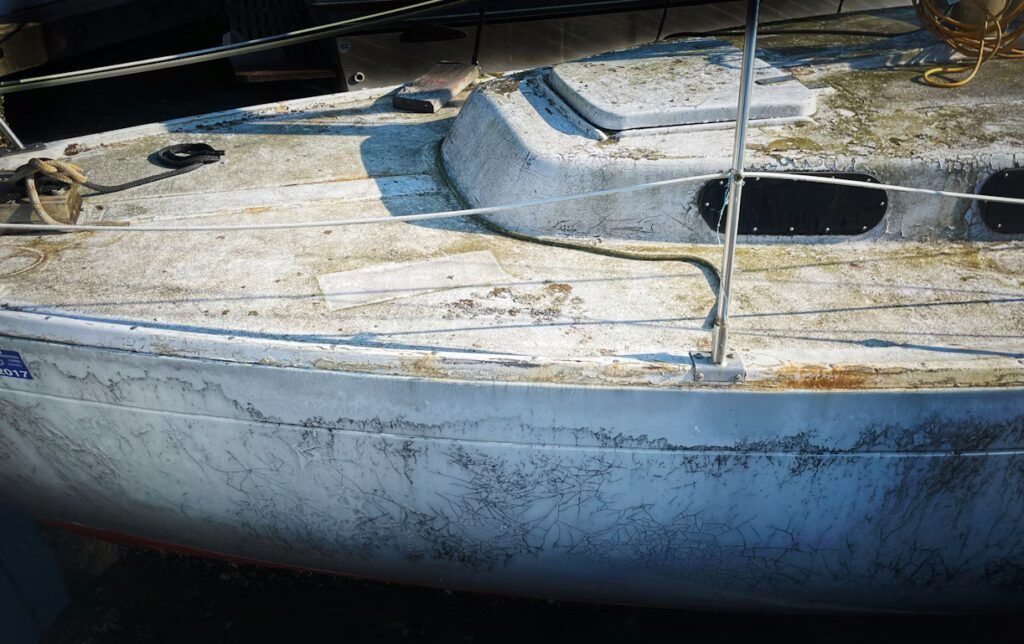
Oxidation often starts subtly. Many owners notice a dull or cloudy appearance forming on the hull, particularly below the waterline. Over time, white powdery residue may appear, indicating advanced oxidation. Pitting can develop if corrosion progresses unchecked, which may compromise the hull surface.
Regular inspection is essential, especially for Aluminium Fishing Boats that see frequent use in saltwater. Catching oxidation early makes prevention and treatment far more effective.
How to Remove Oxidation from Aluminum Boat Surfaces
Cleaning the Hull Thoroughly
Before addressing oxidation, the hull must be properly cleaned. Removing salt deposits, marine growth, and surface grime is the first step in how to remove oxidation from aluminum boat surfaces. Washing with fresh water after every trip helps slow oxidation and prepares the surface for further treatment.
Aluminium Oxidation Removal Methods
Aluminum boat oxidation removal typically involves restoring the surface by eliminating the oxidised layer. Marine industry guides recommend gentle but effective cleaning processes designed specifically for aluminium. Removing oxidation restores the boat’s appearance and prepares the hull for protective coatings that reduce future exposure.
Consistency matters here. Occasional deep cleaning combined with routine rinsing is far more effective than infrequent intensive treatments.
Preventing Future Oxidation on Aluminium Boats
Applying Protective Coatings
Once oxidation is removed, protecting the aluminium surface becomes essential. Marine coatings act as a barrier between the aluminium and environmental elements. These coatings reduce direct contact with oxygen and saltwater, slowing the oxidation process significantly.
For Australian boat owners, protective coatings are especially important due to strong sun exposure and high salt content in coastal waters. Reapplying coatings as recommended helps extend the life of the hull.
Managing Electrical Systems to Reduce Electrolysis
Electrolysis control plays a crucial role in protecting aluminium boats. Ensuring that electrical systems are properly grounded and maintained reduces stray currents that can accelerate corrosion. Industry resources emphasise the importance of checking wiring, batteries, and onboard electrical equipment regularly.
This is particularly relevant for aluminium boats fitted with modern electronics, electric motors, and additional accessories.
Proper Storage and Handling Practices
Reducing Prolonged Water Exposure
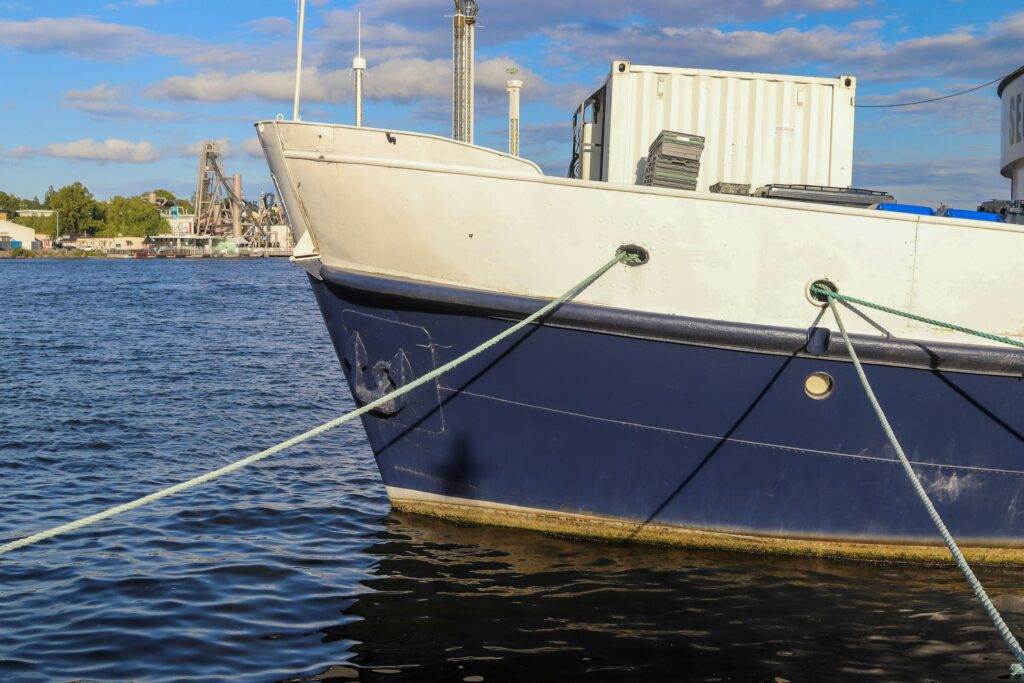
Leaving an aluminium boat in the water for extended periods increases the risk of oxidation and corrosion. Where possible, trailering the boat and storing it out of the water helps reduce constant exposure to moisture and salt.
For Australian anglers who use their boats frequently, even short drying periods between trips can make a difference in slowing oxidation.
Keeping the Hull Dry and Ventilated
Good ventilation prevents moisture from becoming trapped against aluminium surfaces. Whether storing your boat in a shed or under a cover, allowing airflow around the hull reduces condensation and corrosion risk. Covers should be breathable and designed for marine use to avoid trapping damp air.
Routine Maintenance for Aluminium Fishing Boats
Regular maintenance is one of the most effective ways to protect aluminium boats from oxidation. Rinsing with fresh water after every outing, inspecting fittings for corrosion, and addressing minor issues early all contribute to long-term durability.
For Australian conditions, maintenance routines should account for salt exposure, intense UV levels, and temperature fluctuations. Boats used in northern regions may require even more frequent attention due to higher humidity.
Sea Raider Boats and Aluminium Boat Options in Australia
Sea Raider Boats offers a range of aluminium vessels designed for Australian waters, including robust Aluminium Fishing Boats built for durability and performance. Customers exploring boat aluminum for sale through Sea Raider Boats can choose from different aluminium boat types suited to both recreational fishing and offshore use.
Having access to well-designed aluminium boats is only part of the equation. Understanding how to protect these boats from oxidation ensures owners get the best possible lifespan and performance from their investment.
Why Aluminium Boats Remain a Smart Choice Despite Oxidation Risks
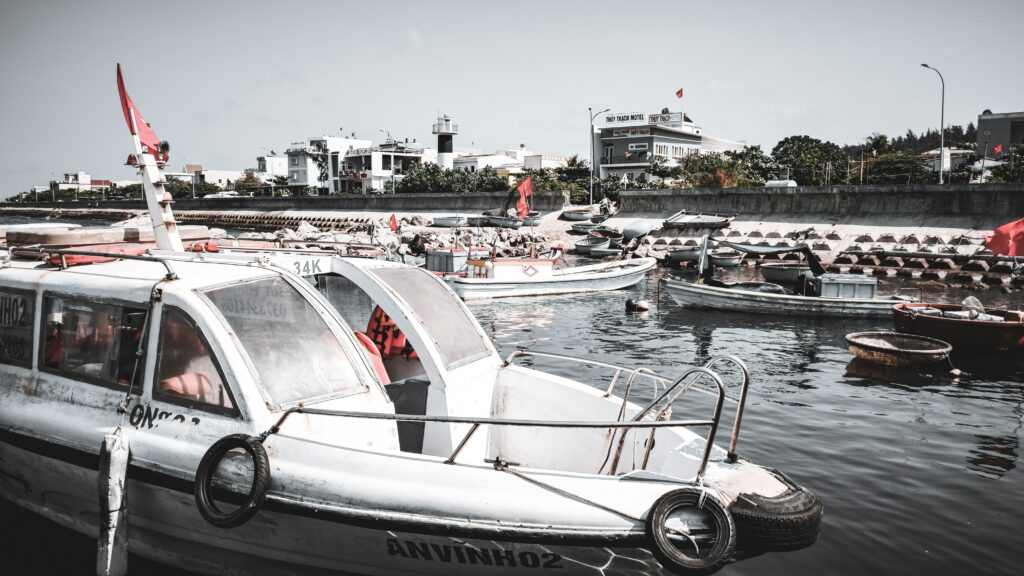
Aluminium boats remain one of the most practical choices for Australian boaters. They are lightweight, fuel-efficient, and structurally strong. While oxidation is a natural process, it is manageable with the right care.
By following proven maintenance and protection practices, aluminium boats can retain both their appearance and structural integrity for many years, even in demanding marine environments.
Long-Term Benefits of Oxidation Prevention
Preventing oxidation does more than improve aesthetics. It helps maintain hull integrity, reduces repair costs, and preserves resale value. Boats that are well maintained often perform better and require fewer structural repairs over time.
For owners considering boat aluminum for sale, proper oxidation prevention can make a significant difference when it comes to long-term ownership costs and satisfaction.
FAQs
Oxidation occurs when aluminium reacts with oxygen and moisture. Saltwater, humidity, and pollutants commonly found in marine environments accelerate this process.
Early oxidation is mostly cosmetic, but if left untreated, it can lead to surface pitting and long-term deterioration, making prevention important for structural health.
Rinsing with fresh water after every trip and performing deeper cleaning periodically is recommended, especially for boats used in saltwater conditions.
Aluminum boat oxidation removal involves cleaning the hull thoroughly and removing the oxidised layer using methods designed specifically for aluminium surfaces.
Yes, electrolysis can accelerate corrosion when stray electrical currents interact with aluminium. Proper electrical maintenance helps minimise this risk.
Yes, aluminium boats are widely used in Australia. With proper care and maintenance, they perform well in both freshwater and saltwater environments.
Protective coatings act as a barrier against oxygen and saltwater, significantly slowing oxidation and extending the life of aluminium surfaces.
Sea Raider Boats offers a range of aluminium options, including Aluminium Fishing Boats, with boat aluminum for sale designed specifically for Australian conditions.



![]Reasons of Boating](https://www.searaider.com.au/wp-content/uploads/2026/03/10-Reasons-Boating-Is-the-Ultimate-Weekend-Escape-150x150.jpg)