


Docking is one of the most important skills any skipper needs to learn, yet it’s often the moment that causes the most nerves for new boaters. Whether you’re returning to a marina after a day fishing or pulling alongside a jetty in calm or windy conditions, knowing how to dock a boat safely and confidently makes every outing more enjoyable.
For beginners across Australia, learning how to dock a boat for beginners is less about speed and more about preparation, control and understanding how your vessel responds to wind, water and throttle inputs. With the right technique and a bit of practice, docking becomes predictable and stress-free.
This guide for boaters walks through the docking process step by step, combining proven techniques used by experienced skippers and practical advice suited to small fishing boats, aluminium boats and recreational vessels commonly used in Australian waters.
Why Docking Feels Difficult for New Boaters
Many first-time boat owners find docking intimidating because it requires several skills working together at once. Docking combines slow manoeuvring, environmental awareness and precise positioning, which can feel overwhelming at first. However, docking is a learned skill that improves with practice and familiarity.
One of the biggest challenges beginners face is controlling the boat at low speed. Boats respond differently to steering inputs compared to cars, especially when moving slowly. Wind and current also influence movement significantly, so approaching a dock requires planning and patience rather than force.
The key takeaway is that docking should always be done slowly and deliberately. The slower you approach, the more time you have to correct mistakes and maintain control.
Preparing Before You Reach the Dock
Preparation begins well before your boat reaches the jetty. Experienced skippers start setting up for docking as soon as the dock comes into sight. Preparing early allows you to focus on steering and positioning rather than scrambling to organise gear at the last minute.
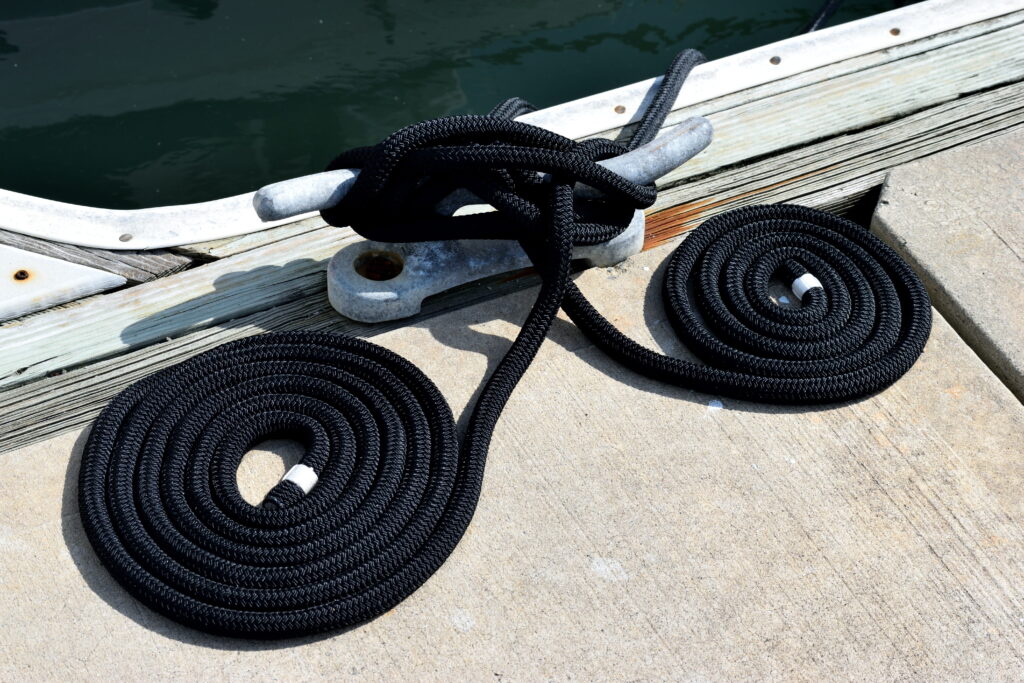
Lines should be attached to cleats in advance and fenders positioned on the side of the boat that will come alongside the dock. Fenders act as protective cushions between your hull and the dock, helping prevent damage during contact. Crew members, if present, should understand their roles and know when to handle lines or assist with positioning.
Another important part of preparation is observing environmental conditions. Look at wind direction, current strength and how other boats are moving nearby. These factors influence your approach angle and speed, and understanding them before you begin manoeuvring reduces stress later.
Understanding Wind and Current Before Docking
Environmental forces play a significant role when learning how to dock a boat for beginners. Wind pushes the above-water surfaces of the boat, while current affects the underwater hull. Even a small breeze can change your approach if you’re moving slowly.
A common strategy is to approach from the side that gives you the most control. For example, coming into the lee side of a jetty can provide protection from wind and make positioning easier. If conditions allow, aligning your approach so the stronger force stabilises your boat helps maintain control rather than fighting against nature.
Observing nearby flags, water ripples or drifting objects can give clues about current and wind direction. Planning your manoeuvre based on these observations makes docking smoother and safer.
Slow and Controlled Approach: The Golden Rule
Perhaps the most consistent advice across any docking guide for boaters is simple: slow down. A slow approach gives you greater control and allows for gentle adjustments rather than sudden corrections.
As you near the dock, reduce speed until you are moving slower than walking pace. Use brief bursts of throttle instead of constant acceleration to maintain movement. Shifting in and out of gear helps regulate speed without losing steering control.
Avoid approaching faster than you feel comfortable stopping. Docking is not a race; it’s a controlled manoeuvre designed to bring the boat alongside safely without impact.
Positioning the Boat Correctly
Correct positioning makes securing the boat much easier. Ideally, the vessel should approach at a slight angle before aligning parallel with the dock. Steering adjustments should be minimal and deliberate to avoid over-correction, which can cause the stern to swing unexpectedly.
As you close the distance, aim to bring the boat alongside gently rather than directly towards the dock. Maintaining a shallow angle helps you guide the boat into position smoothly. Once aligned, shifting the engine into neutral allows you to glide the final distance with precision.
New boaters often underestimate how small throttle inputs affect positioning. Minor adjustments are usually enough; sudden movements tend to create instability and require further correction.
Using Fenders and Dock Lines Properly
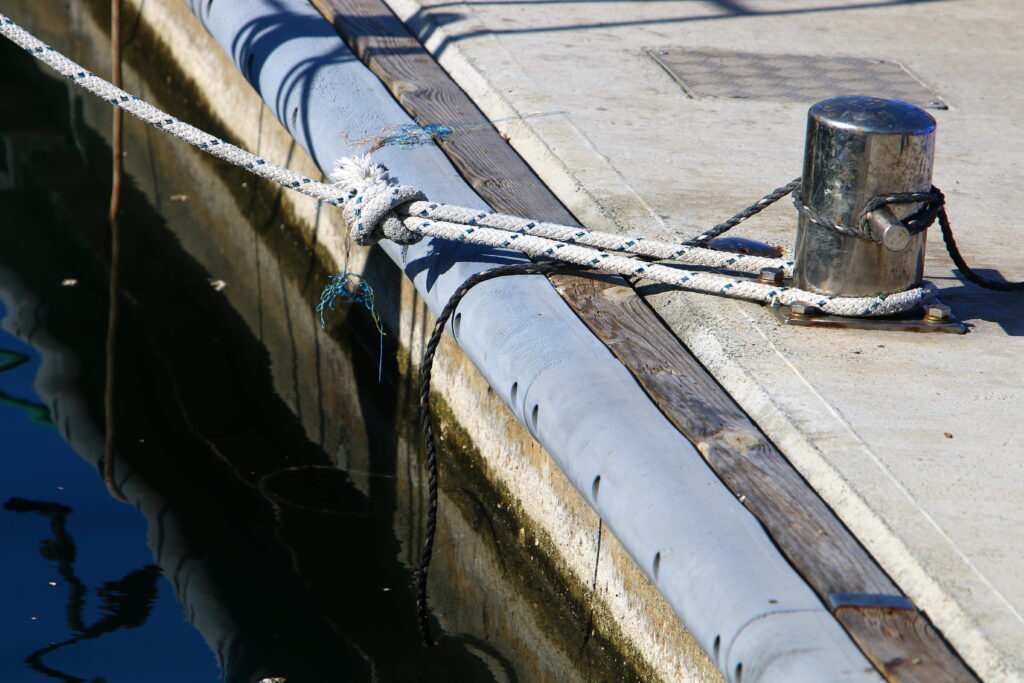
Fenders and lines are essential tools for safe docking. Properly placed fenders absorb impact and prevent scratches or dents during contact with the dock. Lines, including bow and stern lines, secure the boat once alongside.
Having lines prepared ahead of time ensures you can quickly secure the boat without losing control. Wrapping lines around cleats correctly helps hold the vessel steady and prevents drifting once docking is complete.
Many beginners benefit from assigning roles to crew members so one person manages steering while others handle lines. Clear communication during this phase reduces confusion and helps maintain safety.
Timing the Final Approach
When the boat is about one boat length away from the dock, timing becomes critical. Small steering adjustments and controlled throttle use guide the stern and bow into alignment.
Understanding that the stern often responds first when manoeuvring helps beginners anticipate how the boat will move. Gentle corrections are more effective than sharp turns. If wind or current assists your approach, allow it to carry the boat naturally rather than forcing the manoeuvre.
Once parallel with the dock, shifting into reverse briefly can help slow momentum and fine-tune positioning. The goal is a smooth glide rather than an abrupt stop.
Securing the Boat Safely
After the boat is positioned alongside the dock, securing it correctly ensures stability. Bow and stern lines should be tied to cleats firmly enough to prevent drifting but with enough flexibility to accommodate movement from waves or wake.
Shutting down the engine and turning off equipment should only happen once the boat is safely secured. Taking a moment to double-check line placement and positioning reduces the risk of movement after docking.
Learning how to dock a boat includes developing a routine that you repeat every time. Consistency builds confidence and helps avoid missed steps.
Common Mistakes Beginners Should Avoid
New boaters often rush the approach or attempt to correct too aggressively. Docking should feel controlled and calm. Over-steering or applying excessive throttle can cause the boat to swing unexpectedly, making the situation more difficult.
Another common mistake is failing to prepare lines or fenders early enough. When equipment isn’t ready, skippers become distracted during critical moments. Keeping the approach simple and organised improves outcomes significantly.
Remember that missing the dock on your first attempt is not a failure. Circling around and trying again is part of the learning process and often the safest choice.
Practising Docking Skills
Practice plays a major role in mastering docking techniques. Repeating manoeuvres in calm conditions builds muscle memory and helps you understand how your boat reacts to steering and throttle changes.
Trying docking in different conditions, such as varying wind strengths or marina layouts, increases confidence over time. The more experience you gain, the more natural the process becomes.
Docking Aluminium Boats and Fishing Boats
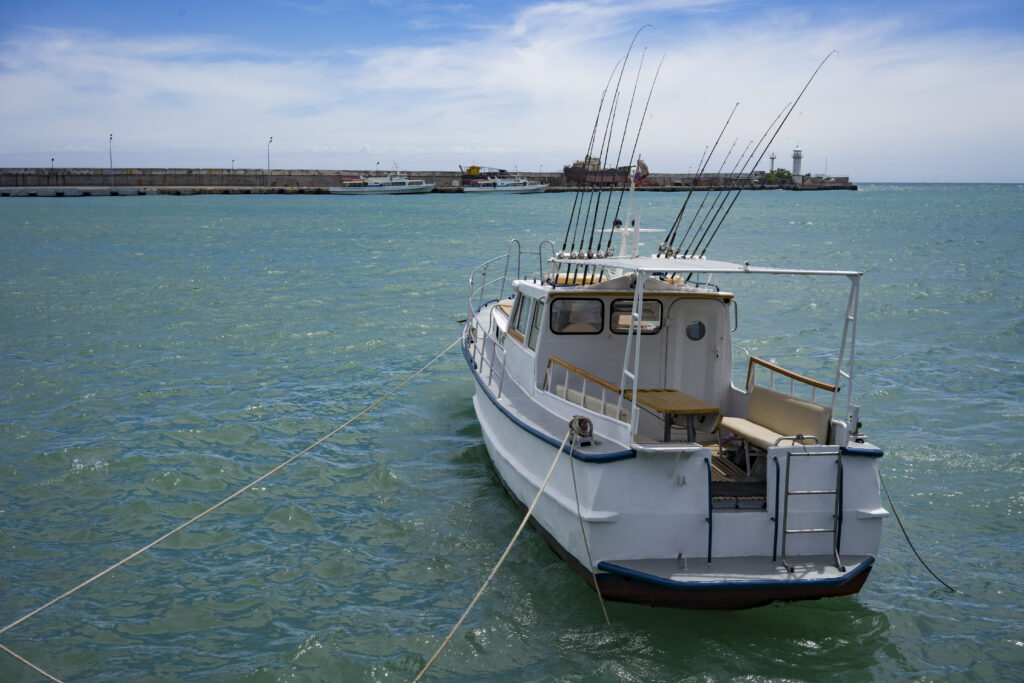
Aluminium boats, which are extremely popular in Australia due to their durability and versatility, respond quickly to wind and throttle adjustments because of their lighter weight. This means maintaining slower speeds and gentle steering inputs becomes even more important.
Fishing boats also require careful preparation before docking. Bringing rods inside the boat and clearing the deck reduces the chance of snagging on pylons or dock fixtures. Maintaining a tidy workspace improves safety and keeps docking simple.
For owners transporting their vessel using a fishing boat trailer, docking is also the first step towards safe retrieval at boat ramps. The same principles of slow approach and controlled positioning apply when guiding your boat towards a trailer.
Choosing the Right Boat Makes Docking Easier
Boat design influences how easily a vessel handles during docking. Stable hulls and predictable steering response help beginners feel more confident at low speeds.
Sea Raider Boats offers a range of boat types suited to Australian conditions, including aluminium boats designed for durability and manoeuvrability. Having access to the right vessel for your boating style makes learning how to dock a boat easier, whether you’re heading offshore or navigating inland waterways.
With different boat configurations available, new boaters can choose a model that matches their experience level while supporting safe and controlled handling during docking.
Building Confidence as a New Boater
Learning how to dock a boat for beginners is ultimately about building confidence through repetition and preparation. Understanding your vessel’s handling characteristics, approaching slowly and planning ahead removes much of the stress associated with docking.
Stay calm, take your time and remember that every experienced skipper was once a beginner. By practising regularly and following a structured process, docking becomes a routine part of boating rather than a source of anxiety.
FAQs: How To Dock A Boat
Docking can feel challenging at first because it requires slow manoeuvring and awareness of environmental factors. However, with practice and a structured approach, most beginners quickly develop confidence.
The most important rule is to approach slowly. Lower speeds provide better control and allow time to adjust positioning safely.
Wind pushes the boat’s exposed surfaces, while current influences the underwater hull. Understanding both helps you choose the best approach angle.
Yes. Preparing bow and stern lines in advance ensures you can secure the boat quickly once alongside the dock.
Fenders act as protective cushions between the boat and dock, helping prevent scratches and damage during contact.
Ideally, the boat should align parallel to the dock during the final approach to make tying off easier.
Simply circle around and try again. Taking another approach is safer than forcing the manoeuvre.
Yes. Different boats respond differently to steering and wind. Aluminium boats and lightweight fishing vessels may require gentler inputs and slower approaches for precise control.




![]Reasons of Boating](https://www.searaider.com.au/wp-content/uploads/2026/03/10-Reasons-Boating-Is-the-Ultimate-Weekend-Escape-150x150.jpg)