Operating commercial vessels in Australia involves careful financial planning, and among all ongoing expenses, fuel remains one of the most significant. Understanding Fuel Costs for Commercial Boats is essential for operators who want to maintain profitability, improve operational efficiency, and make smarter decisions about vessel selection and usage.
Across Australia’s extensive waterways, commercial operators, including fishing charter businesses, transport operators, and marine service providers, face fluctuating fuel prices alongside other ownership and operational costs. From purchase price and maintenance to insurance, registration, storage, and staffing, every aspect of boat ownership contributes to overall running expenses. However, fuel is often the most variable and impactful factor, making it a priority for long-term cost management.
This guide for boaters explores what influences fuel consumption, how commercial operators can forecast fuel expenses, and practical approaches to improving fuel efficiency. It also highlights how vessel design, including aluminium boats and trailer-friendly configurations, can influence overall running costs.
Understanding Fuel Costs for Commercial Boats in Australia
Fuel costs are consistently identified as one of the primary ongoing expenses for vessel owners and operators. The total fuel expenditure for a commercial vessel depends on several factors, including engine size, boat type, operational frequency, and fuel market conditions. According to Australian ownership guides, fuel remains a major component of overall running costs, alongside insurance, maintenance, and storage fees.
Unlike fixed costs such as registration or initial purchase price, fuel expenses fluctuate regularly. Market pricing changes, seasonal demand, and operational schedules all contribute to variability. Commercial operators must therefore account for these fluctuations when budgeting for long-term operations.
Fuel consumption is also directly tied to usage patterns. Vessels operating daily or covering long distances naturally consume more fuel compared with recreational or occasional use boats. Commercial operators should anticipate fuel as a recurring operational cost rather than an occasional expense.
Why Fuel Planning Matters for Commercial Operators
Fuel costs influence not only daily operations but also long-term financial viability. Commercial boat operators must carefully balance operational needs with fuel efficiency to maintain profitability.
Ownership cost guides emphasise that operating expenses extend far beyond the initial purchase of a vessel. Fuel, maintenance, servicing, and upgrades all contribute to the lifetime cost of ownership. For commercial operators, these costs scale rapidly due to increased usage hours and heavier workloads compared with recreational vessels.
Planning ahead allows operators to forecast expenses accurately and avoid unexpected financial strain. Many Australian operators calculate annual ownership expenses by combining fuel, maintenance, storage, insurance, and repairs into a single projected budget. This approach provides clarity on operating margins and helps identify opportunities to reduce fuel consumption.
Factors That Influence Fuel Costs for Commercial Boats
Vessel Type and Design
The type of vessel significantly affects fuel usage. Larger or heavier boats typically require more power, leading to higher fuel consumption. Design elements such as hull shape and construction material also play a role.
Aluminium boats are often selected for commercial use because of their durability and efficiency advantages. Their lighter weight compared with some other materials can influence operational performance, which in turn affects fuel consumption patterns during operation.
Sea Raider Boats offers both primary boat types suited for commercial applications, ensuring operators can choose a configuration aligned with their fuel efficiency goals and operational needs. Having multiple vessel options allows operators to consider factors such as size, intended workload, and operational conditions when selecting a boat.
Engine Size and Performance
Engine performance is a key determinant of fuel consumption. Higher horsepower engines provide greater speed and capacity but can increase fuel usage if not managed efficiently. Regular engine servicing is essential, as poorly maintained engines may consume more fuel over time. Maintenance guides stress that routine servicing, oil changes, and repairs are unavoidable but essential for keeping operating costs under control.
Operational Habits
How a boat is operated has a direct impact on fuel usage. Ownership guides highlight that avoiding unnecessary idling, slowing down when appropriate, and planning trips effectively can improve fuel efficiency. Commercial operators who manage routes and schedules strategically may see noticeable reductions in fuel consumption over time.
Fuel Costs Compared with Other Boat Ownership Expenses
Fuel should be viewed within the wider context of ownership costs. Australian boating resources identify several key expense categories that commercial operators must consider:
Initial purchase price varies widely depending on vessel size and features, making budgeting essential before acquisition. Financing options allow operators to spread costs but may influence long-term financial planning.
Maintenance and servicing represent ongoing obligations. Engine servicing, hull maintenance, and cleaning contribute to operational efficiency and safety.
Insurance is another critical expense, especially for commercial operations where liability and operational risks are higher. Comprehensive coverage protects against damage, theft, and unforeseen incidents.
Storage and mooring fees vary across Australian states and depend on vessel size and location. Operators who use a fishing boat trailer may reduce marina storage costs by keeping vessels on land when not in use.
When fuel costs are viewed alongside these expenses, it becomes clear that reducing fuel consumption can significantly influence overall profitability.
How to Reduce Boat Fuel Costs
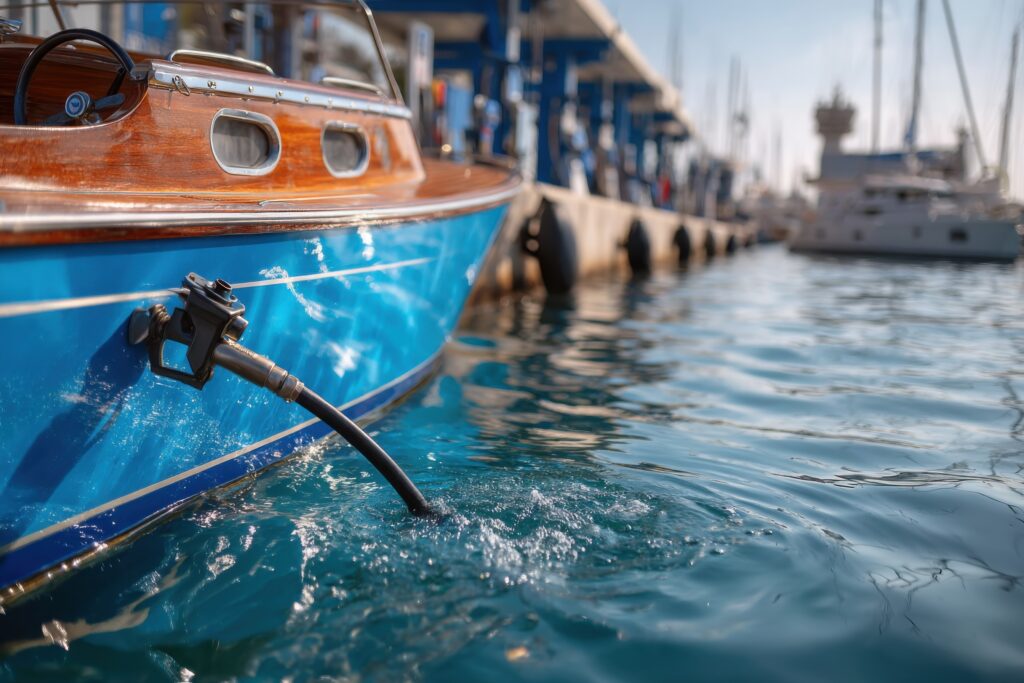
Understanding how to reduce boat fuel costs is essential for commercial operators seeking to improve margins. Several strategies highlighted in ownership and operational guides can help minimise expenditure while maintaining performance.
Energy-efficient operation is one of the most effective approaches. Operators are encouraged to avoid unnecessary idling and maintain moderate speeds where possible. Careful trip planning also helps minimise fuel waste by reducing unnecessary travel distances.
Regular maintenance plays a significant role in fuel efficiency. Engines that receive consistent servicing typically operate more smoothly, reducing fuel consumption over time. Hull maintenance is equally important because damage or fouling can increase resistance and require more engine power.
Monitoring fuel pricing is another practical approach. Fuel costs fluctuate, and operators who track price trends may be able to refuel strategically when prices are lower.
Finally, selecting the right vessel configuration is critical. Choosing a boat that matches operational requirements ensures the engine operates within its optimal range rather than working excessively, which can increase fuel usage.
The Role of Aluminium Boats in Managing Fuel Expenses
Aluminium boats are widely used in Australian commercial operations due to their strength and durability. Their construction can support demanding workloads while maintaining operational efficiency.
For operators focused on reducing running costs, lighter vessel construction can influence fuel efficiency outcomes. While operational habits remain the primary driver of fuel consumption, vessel material and design can contribute to long-term cost management strategies.
Sea Raider Boats provides commercial operators with access to multiple vessel types, allowing businesses to select configurations aligned with operational goals. This flexibility ensures operators can consider fuel efficiency alongside durability, performance, and maintenance requirements.
Trailer Use and Fuel Cost Management
Using a fishing boat trailer can influence overall operating costs indirectly. Storage options such as trailer storage at home or secure land facilities may reduce reliance on marina mooring, which contributes to overall cost savings.
While trailers do not directly reduce fuel consumption during operation, they can support more efficient logistics by enabling transport to closer launch points. This can reduce travel distances on the water, potentially lowering fuel usage over time.
Ownership guides highlight that trailer costs vary depending on size and weight requirements, and operators should include maintenance and registration costs when budgeting.
Budgeting and Forecasting Fuel Expenses
Commercial operators should treat fuel budgeting as an ongoing process rather than a one-time calculation. A commonly suggested method involves combining purchase price, maintenance, storage, insurance, fuel, and repairs into an annual cost formula.
Accurate forecasting requires analysing operational patterns, including trip frequency, distances travelled, and seasonal demand. Businesses that track fuel usage consistently can identify trends and make adjustments to improve efficiency.
Fuel prices themselves fluctuate regularly, making flexible budgeting essential. Operators who maintain financial buffers for price changes may avoid operational disruptions during periods of higher fuel costs.
Commercial Boat Operations and Long-Term Cost Control
Fuel costs are only one element of managing commercial boat operations, but they are often the most visible and impactful. Successful operators understand that cost control involves balancing multiple factors simultaneously.
Routine maintenance helps prevent costly breakdowns and keeps engines running efficiently. Proper cleaning and hull care contribute to performance and longevity.
Insurance, staffing costs, and registration requirements should also be factored into operational planning, particularly for larger commercial vessels where additional crew may be required.
By approaching fuel costs as part of a broader operational strategy, commercial operators can maintain efficiency while delivering reliable services.
Choosing the Right Vessel for Fuel Efficiency
Selecting the right boat is one of the most effective ways to manage fuel expenses over time. Vessel size, design, and intended use should align with operational requirements.
Sea Raider Boats offers both primary boat types suitable for commercial applications, ensuring operators can choose a vessel tailored to their workload. Matching the right boat to the right job helps reduce unnecessary fuel consumption and supports long-term operational sustainability.
A well-chosen vessel reduces strain on engines, improves handling, and enables operators to maintain efficient cruising speeds, all of which influence fuel consumption patterns.
Final Thoughts: Managing Fuel Costs for Commercial Boats
Understanding Fuel Costs for Commercial Boats is essential for any Australian operator looking to optimise performance and maintain financial stability. Fuel is one of the most significant ongoing expenses, and its impact extends beyond daily operations into long-term business planning.
From selecting efficient aluminium boats to maintaining engines regularly and planning routes strategically, there are multiple ways operators can improve efficiency. While fuel prices fluctuate and external factors cannot always be controlled, operational decisions play a major role in determining overall fuel consumption.
By combining smart vessel selection, efficient operating habits, and comprehensive budgeting, commercial operators can better manage fuel costs and build more sustainable marine businesses.
FAQs
Fuel costs depend on vessel size, engine performance, operating habits, and fuel pricing fluctuations. Maintenance and hull condition can also influence consumption levels.
Energy-efficient operation, avoiding unnecessary idling, planning routes, and maintaining engines regularly are commonly recommended strategies.
Aluminium boats are valued for durability and operational efficiency. Their construction can influence performance, which may affect fuel consumption outcomes.
Fuel expenses fluctuate frequently, making budgeting essential for maintaining predictable operating costs and protecting profitability.
While trailers do not directly reduce fuel consumption, they can help reduce storage expenses and allow launching closer to operational areas.
Regular servicing is recommended to ensure optimal engine performance and prevent increased fuel consumption due to mechanical issues.
Fuel is often one of the largest ongoing expenses, but operators must also consider insurance, maintenance, storage, and registration costs.
Sea Raider Boats offers both primary vessel types suited for commercial applications, allowing operators to choose designs aligned with performance and efficiency goals.



![]Reasons of Boating](https://www.searaider.com.au/wp-content/uploads/2026/03/10-Reasons-Boating-Is-the-Ultimate-Weekend-Escape-150x150.jpg)