When investing in a new vessel, one of the most common questions Australian boat owners ask is simple: how long will it last? Whether you’re purchasing a recreational fishing vessel or a commercial craft, understanding the lifespan of aluminium boats helps you make smarter long-term decisions about ownership, maintenance, and operating costs.
For many Australians, aluminium boats have become a preferred option because of their durability, corrosion resistance, and versatility. However, lifespan depends on several factors, including construction quality, usage conditions, maintenance habits, and even operational decisions such as fuel efficiency.
This guide for boaters explores what determines longevity, how aluminium compares with other materials, and how reducing operational expenses, including fuel costs for commercial boats, contributes to a vessel’s overall lifecycle value. Throughout the article, we’ll also explain how to reduce boat fuel costs while extending your vessel’s performance and longevity.
Understanding the Average Lifespan of Aluminium Boats

One of the most consistent findings across boating studies is that aluminium vessels are designed to last for decades when properly maintained. Most sources estimate that aluminium boats typically last between 20 and 30 years, although many exceed this range depending on build quality and care.
Some well-maintained examples can last significantly longer, even reaching 50 years or more under favourable conditions. The durability of aluminium hulls is partly due to their resistance to corrosion compared to other materials, though exposure to harsh environments still plays a role in long-term wear.
Australian boaters, particularly those operating in coastal environments, should recognise that saltwater conditions can accelerate deterioration if proper cleaning and maintenance routines are not followed.
Ultimately, the expected lifespan is not fixed. Instead, it reflects how the vessel is built, how it’s used, and how consistently it’s maintained over time.
Aluminium Boats Compared to Other Boat Materials
Understanding lifespan also requires comparing aluminium to other common boat construction materials. Fibreglass vessels often last 20 to 30 years or more, while wooden boats may have shorter average lifespans due to maintenance demands and environmental sensitivity.
In larger yacht categories, aluminium constructions may last 30 to 50 years or longer, demonstrating the strength and longevity of the material when engineered properly.
These comparisons highlight why aluminium has become popular among Australian fishers and commercial operators alike. Its durability makes it suitable for demanding conditions while maintaining a balance between strength and manageable upkeep.
Key Factors That Influence the Lifespan of Aluminium Boats
Construction Quality and Materials
The thickness of the aluminium, welding quality, and structural design significantly impact lifespan. High-quality construction reduces fatigue and structural issues over time.
Boaters should understand that two vessels built from the same material may age differently depending on design standards and manufacturing precision.
Maintenance Practices
Routine maintenance is one of the most important factors in determining how long a vessel lasts. Regular cleaning, especially after exposure to saltwater, prevents corrosion and structural damage.
Engine servicing also plays a role. Checking and maintaining the engine regularly helps prevent costly failures and extends operational life.
Environmental Conditions
Australian waters vary dramatically, from tropical saltwater environments to inland freshwater systems. Boats used primarily in saltwater may experience faster wear due to corrosive elements, making rinsing and protective care essential.
Storage and Protection
Proper storage significantly extends lifespan. Keeping a vessel in a protected, dry environment reduces UV damage, moisture exposure, and mechanical stress on key components.
How Usage Patterns Affect Longevity
Not all aluminium boats age at the same rate because usage patterns vary widely. Boats used frequently in commercial settings often experience more wear and tear compared to occasional recreational vessels. However, regular maintenance can offset heavy usage.
Even leaving a boat unused for long periods without preparation may create problems. Proper storage and maintenance during inactive periods ensure that systems remain functional and protected.
From a lifecycle perspective, how you operate your vessel including how efficiently you use fuel can also influence mechanical strain and long-term durability.
The Role of Fishing Boat Trailers in Extending Lifespan

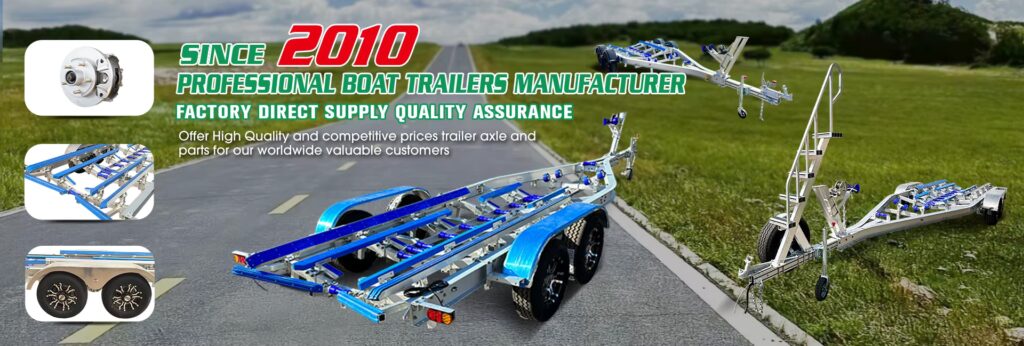
Another factor sometimes overlooked in discussions about lifespan is the fishing boat trailer. Proper transport and storage reduce stress on the hull and structural components.
Using a suitable trailer protects the vessel during travel and allows owners to store boats out of water when not in use. Dry storage reduces exposure to corrosive marine environments, which can significantly extend lifespan.
Australian boaters who frequently tow their vessels should ensure that trailers provide proper support and alignment to avoid structural strain over time.
Aluminium Boats for Recreational vs Commercial Use
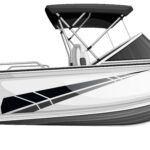
Aluminium boats are versatile and suitable for a range of purposes, from recreational fishing to commercial operations. Recreational owners often benefit from lighter usage patterns, while commercial operators prioritise durability and cost efficiency.
Sea Raider Boats understands these varying needs, which is why both recreational aluminium boats and commercial-grade vessels are available. Having access to multiple boat types allows Australian boaters to choose designs suited to their usage patterns, helping maximise lifespan and operational efficiency.
Selecting the right vessel for your intended use is one of the most important decisions influencing longevity.
Signs Your Aluminium Boat is Ageing
Even durable aluminium vessels eventually show signs of wear. Ageing may include structural fatigue, cosmetic deterioration, or mechanical inefficiencies.
Age alone does not determine condition, as well-maintained older vessels can remain seaworthy for many years. Regular inspections help identify issues early, allowing owners to repair problems before they impact safety or performance.
Understanding the relationship between maintenance history and lifespan helps buyers evaluate used boats as well, as older vessels with proper care may still offer excellent value.
Can Aluminium Boats Last Beyond Their Expected Lifespan?
While averages suggest a 20–30 year lifespan, exceptional care can push this much further. Some owners report aluminium boats lasting significantly longer under ideal conditions.
The key factors include consistent maintenance, proper storage, efficient operation, and choosing high-quality builds from reputable manufacturers.
Australian conditions can be demanding, but proactive ownership ensures that aluminium vessels remain reliable for decades.
A Long-Term Guide for Boaters Considering Aluminium
For Australians deciding whether aluminium is the right choice, understanding lifespan is only one piece of the puzzle. Total ownership costs, including fuel consumption, maintenance, and operational efficiency, determine real value.
A comprehensive guide for boaters should consider not only how long a boat lasts but also how efficiently it performs throughout its life. Aluminium vessels offer a strong balance between durability and manageable upkeep, making them attractive for both recreational fishers and commercial operators.
Choosing a boat from a reputable manufacturer such as Sea Raider Boats ensures access to designs suited for Australian waters, whether you’re seeking a versatile recreational craft or a durable commercial solution.
Conclusion: Maximising the Lifespan of Your Aluminium Boat
The lifespan of an aluminium boat depends on a combination of material durability, construction quality, maintenance practices, and operational choices. Most aluminium boats last between 20 and 30 years, though many exceed this with proper care.
For Australian boaters, focusing on efficient operation, regular maintenance, and reducing fuel costs for commercial boats helps improve both longevity and overall value. Learning how to reduce boat fuel costs also reduces mechanical stress, supporting long-term performance.
Ultimately, the right vessel, supported by smart ownership habits and quality design, can provide decades of reliable service on Australian waters.
FAQs
How long do aluminium boats typically last?
Most aluminium boats last between 20 and 30 years with proper maintenance, though some can exceed this range depending on construction and care.
Do aluminium boats last longer than fibreglass boats?
Both materials can offer similar lifespans, but aluminium is often valued for durability and resistance to certain types of damage.
Does saltwater reduce the lifespan of aluminium boats?
Saltwater can accelerate wear if boats are not cleaned and maintained properly, making regular rinsing and inspection important.
How does fuel efficiency affect boat lifespan?
Efficient operation reduces strain on engines and components, which can help extend overall lifespan while lowering fuel costs for commercial boats.
What is the role of a fishing boat trailer in longevity?
A proper fishing boat trailer allows dry storage and safer transport, reducing exposure to damaging marine environments.
Can an aluminium boat last more than 50 years?
Some well-maintained aluminium vessels have exceeded typical lifespan expectations, particularly when built with high-quality materials.
Is maintenance really that important?
Yes. Regular cleaning, engine servicing, and proper storage are among the most important factors affecting longevity.
Does usage frequency matter?
Frequent use increases wear, but consistent maintenance can offset heavy usage and help maintain long-term performance.