When it comes to maintaining your vessel, one of the most common questions Australian boat owners ask is whether it’s better to store a boat in the water or store a boat out of the water. The answer isn’t always straightforward. Both methods have their own advantages and drawbacks, and the right choice often depends on how you use your boat, the type of vessel you own, and your long-term maintenance priorities.
For owners of offshore fishing boats and rugged builds like an aluminium plate boat, this decision becomes even more important. At Sea Raider Boats, we understand how critical proper storage is not just for performance but also for protecting your investment over time.
This guide brings together key insights from trusted marine resources to help you decide what works best for your situation.
Understanding the Basics of Boat Storage
Before diving into comparisons, it’s worth understanding what each option involves. To store a boat in the water, often referred to as wet storage, means keeping your vessel moored at a marina, dock, or jetty. On the other hand, choosing to store a boat out of the water involves keeping it on land, either on a trailer, in dry storage, or inside a covered facility.
Each method affects maintenance, accessibility, and long-term durability in different ways.
The Case for Storing a Boat In the Water
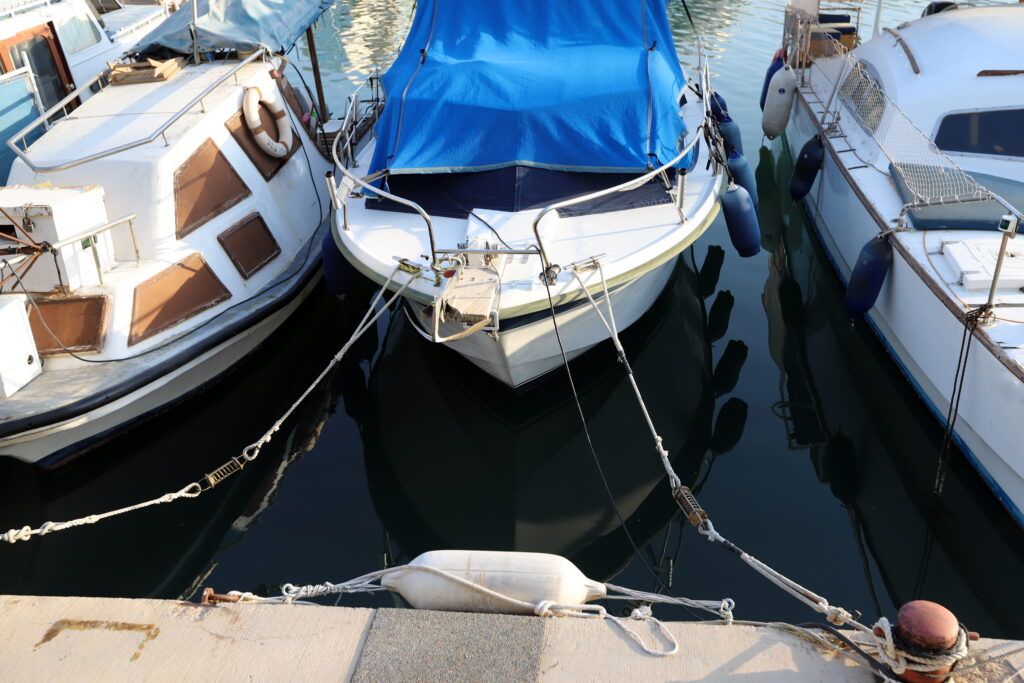
Convenience and Immediate Access
One of the biggest advantages of storing a boat in the water is convenience. Your boat is always ready to go, making spontaneous trips far easier. For Australian boaters who enjoy frequent outings, especially those heading offshore, this can be a major benefit.
If you regularly use your offshore fishing boats, wet storage allows you to avoid the time and effort of launching and retrieving your vessel each trip.
Reduced Handling and Launch Stress
Launching and retrieving a boat repeatedly can place stress on both the vessel and the trailer. Keeping your boat in the water reduces this wear and tear, particularly helpful for larger or heavier vessels like an aluminium plate boat, which are built tough but still benefit from minimised handling.
However, There Are Trade-Offs
Despite the convenience, storing a boat in the water does come with notable downsides. Continuous exposure to water can accelerate wear on the hull. Marine growth such as algae and barnacles can accumulate quickly, especially in warmer Australian waters, which can impact performance and fuel efficiency.
Additionally, constant water exposure can increase the need for maintenance, including hull cleaning and anti-fouling treatments.
The Case for Storing a Boat Out of the Water
Better Protection and Longevity
Choosing to store a boat out of the water significantly reduces exposure to moisture, marine growth, and corrosion. This is particularly beneficial for maintaining the structural integrity of your vessel over time.
For owners of aluminium plate boat models, dry storage can help preserve the hull’s condition and reduce the risk of long-term damage caused by constant water contact.
Lower Maintenance Requirements
When you store a boat out of the water, you eliminate many of the issues associated with wet storage. There’s less need for frequent hull cleaning, and you won’t have to deal with marine organisms attaching themselves to your vessel.
This can translate into lower ongoing maintenance costs and less time spent on upkeep.
Greater Control Over Storage Conditions
Dry storage also offers more control over environmental exposure. Boats stored on land are less affected by water-related wear and can be better protected from harsh marine conditions.
However, it’s important to note that outdoor dry storage still exposes your boat to sun, wind, and weather, unless it is kept in a covered or indoor facility.
Limitations of Storing a Boat Out
While there are clear advantages when you store a boat out, it’s not without its challenges. The most obvious drawback is reduced convenience. Each time you want to use your boat, you’ll need to launch it, which can be time-consuming.
For those who use their boats frequently, this added effort may become frustrating, especially compared to the ease of wet storage.
Additionally, repeated launching and retrieval can cause wear on trailers and require more manual handling.
Comparing Wet vs Dry Storage for Australian Conditions
Australia’s climate plays a significant role in deciding whether to store a boat in or store a boat out of the water. Coastal conditions, salt exposure, and temperature variations all impact how your boat ages over time.
In warmer regions, storing a boat in the water may lead to faster marine growth, increasing maintenance demands. Conversely, storing a boat out of the water in exposed areas may subject it to intense sun and UV damage.
This balance means that Australian boat owners often need to weigh convenience against long-term protection carefully.
What About Offshore Fishing Boats?
For those who own or are considering offshore fishing boats, storage decisions often come down to usage frequency. If you’re heading out regularly, wet storage may be more practical. However, if trips are occasional, dry storage can help extend the life of your vessel.
Sea Raider Boats offers a range of offshore-ready designs that are built for durability and performance. Regardless of whether you choose to store a boat in or store a boat out, selecting a well-built vessel ensures better resilience in Australian conditions.
The Role of Aluminium Plate Boats in Storage Decisions
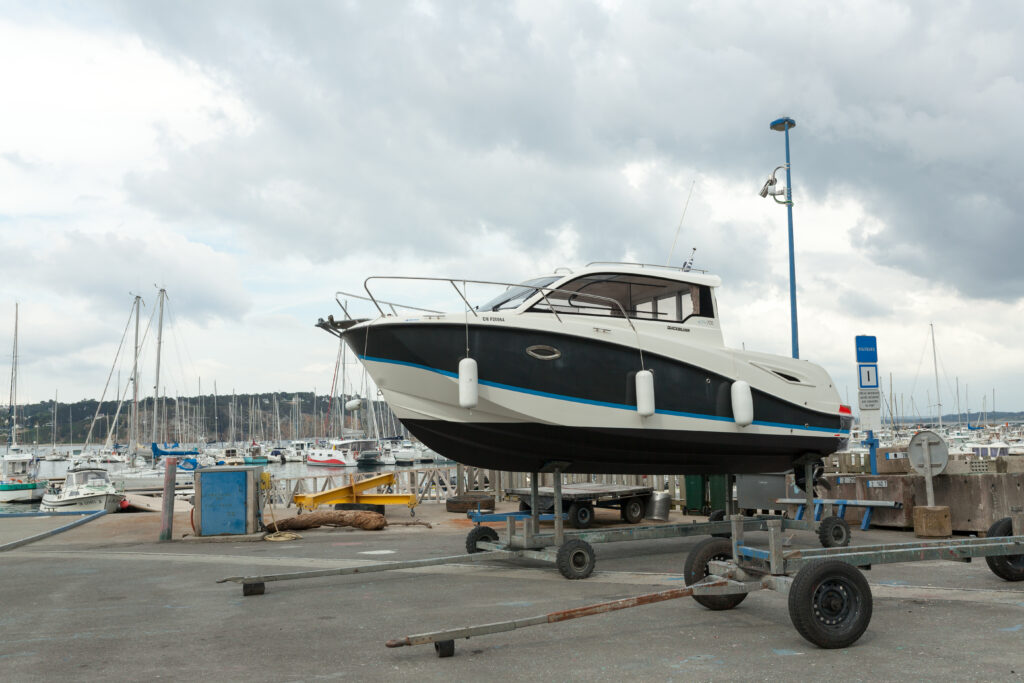
An aluminium plate boat is known for its strength and durability, making it a popular choice among Australian boaters. However, even tough materials benefit from proper storage.
Dry storage can help preserve the finish and reduce exposure to elements that may cause wear over time. Meanwhile, wet storage may suit those who prioritise convenience and frequent use.
Sea Raider Boats specialises in aluminium plate constructions, offering vessels designed to handle demanding marine environments while still benefiting from thoughtful storage practices.
Maintenance Considerations for Both Options
Whether you choose to store a boat in or store a boat out, maintenance remains a key responsibility. Boats stored in the water require regular cleaning and monitoring for growth and corrosion. Boats stored on land need protection from environmental factors such as sun exposure and debris.
Ultimately, neither option eliminates maintenance; it simply changes the type of care required.
Which Option Is Better?
There isn’t a one-size-fits-all answer to whether it’s better to store a boat in or store a boat out of the water. The right choice depends on your boating habits, location, and priorities.
If convenience and frequent use are your top concerns, storing your boat in the water may be the better option. If long-term protection and reduced maintenance are more important, storing your boat out of the water could be the smarter choice.
For many Australian boat owners, the decision comes down to balancing ease of access with the desire to protect their investment.
Sea Raider Boats: Built for Every Storage Choice
At Sea Raider Boats, we design and build vessels that perform reliably regardless of how you choose to store them. Our range includes high-quality offshore fishing boats and durable aluminium plate boat models, all crafted to suit Australian conditions.
Whether you prefer to store a boat in the water for quick access or store a boat out for long-term preservation, our boats are built to handle both scenarios with confidence.
Frequently Asked Questions
Costs can vary depending on location and facilities. Wet storage often involves marina fees, while dry storage may include trailer or storage space costs.
Storing a boat in the water can lead to marine growth and increased maintenance needs, but proper care can help manage these issues.
Dry storage offers better protection from water-related wear, but it may not be as convenient for frequent use.
Boats stored in the water typically require more frequent cleaning to manage algae and buildup.
Yes, but they still require maintenance to prevent wear and ensure longevity.
They can benefit from wet storage if used frequently, as it provides quick and easy access.
No, it reduces certain types of maintenance but still requires care for environmental exposure.
If you don’t use your boat often, it’s generally more practical to store a boat out of the water to protect it over time.