
When choosing a boat for Australian waters, the material used in its construction matters more than many people realise. Aluminium has long been a popular option for boat building because of its strength, lightweight properties, and durability. However, not all aluminium is made the same. There is a major difference between a marine-grade aluminum boat and a regular aluminum boat, particularly when it comes to corrosion resistance, structural integrity, and long-term performance in harsh marine environments.
For boat owners across Australia, understanding marine aluminum vs regular aluminum is essential before investing in a vessel. Saltwater exposure, changing weather conditions, and demanding boating environments place enormous stress on materials, making the quality of aluminium a key factor in safety and longevity.
At Sea Raider Boats, boat owners can find high-quality aluminium boats designed specifically for Australian conditions, with models built using marine-grade materials for durability and performance on the water.
Understanding Aluminium in Marine Applications
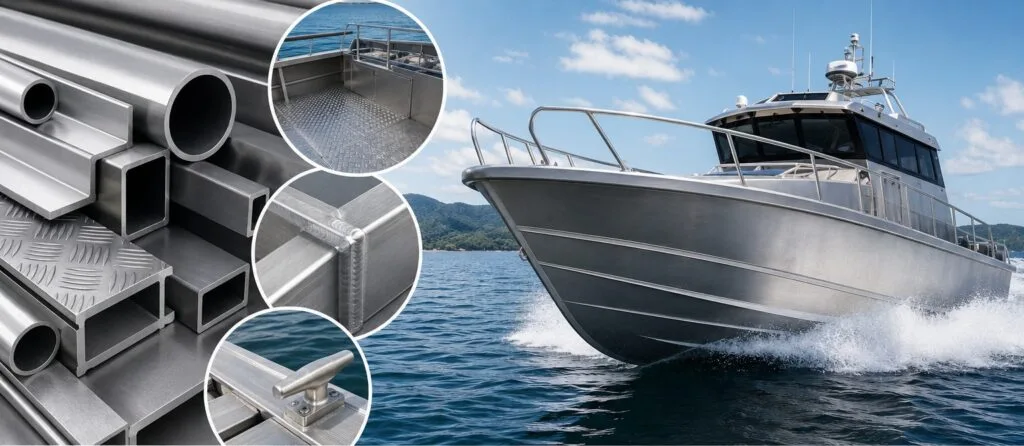
Aluminium is widely used in marine manufacturing because it offers a combination of lightweight performance and corrosion resistance. However, the type of aluminium alloy used makes a substantial difference in how the material performs over time.
A marine-grade aluminum boat is constructed using specially formulated aluminium alloys designed for use in wet and corrosive environments. These alloys are engineered to withstand constant exposure to moisture, saltwater, and marine conditions without deteriorating quickly.
A regular aluminum boat, on the other hand, may use more general-purpose aluminium alloys that are not specifically designed for marine exposure. While these materials can still provide strength and lightweight performance, they may not offer the same level of corrosion protection or long-term durability as marine-grade aluminium.
What Makes Aluminium Marine Grade?
One of the most common questions boat buyers ask is: What makes aluminum marine grade?
Marine-grade aluminium refers to specific aluminium alloys developed to provide improved corrosion resistance and structural reliability in marine environments. According to the referenced sources, marine-grade alloys are selected because they maintain strength while resisting the damaging effects of saltwater and moisture.
Marine-grade aluminium typically contains alloying elements such as magnesium, which improve corrosion resistance and enhance durability. These alloys are specifically chosen for applications where exposure to seawater is constant.
The marine industry commonly uses aluminium grades from the 5000 and 6000 series because of their balance between strength, weldability, and corrosion resistance. These alloys are particularly valued in marine applications because they can maintain performance over extended periods in demanding conditions.
In marine construction, the ability of aluminium to form a natural oxide layer also contributes to its corrosion resistance. This protective layer helps shield the underlying metal from further environmental damage, making marine-grade aluminium highly suitable for boat manufacturing.
Marine Aluminum vs Regular Aluminum
The debate around marine aluminum vs regular aluminum often comes down to how each material performs in real-world boating conditions.
Marine-grade aluminium is specifically manufactured for environments involving saltwater and high humidity. It is designed to resist corrosion, maintain structural integrity, and withstand the stresses associated with marine use. Regular aluminium may still provide useful properties, but it is not always intended for prolonged exposure to marine environments.
One of the biggest differences between a marine-grade aluminum boat and a regular aluminum boat is corrosion resistance. Marine-grade alloys are developed to prevent rapid deterioration when exposed to saltwater. Regular aluminium alloys may corrode more quickly if repeatedly exposed to harsh marine conditions.
Strength is another important distinction. Marine-grade aluminium alloys are selected because they provide strong structural performance while remaining lightweight. This balance is particularly important in boat building, where reducing overall weight can improve fuel efficiency and handling.
Weldability also plays a major role. Marine-grade aluminium alloys are commonly chosen because they can be welded effectively without compromising structural reliability. In marine manufacturing, this is critical for ensuring the integrity of hulls and other components.
Corrosion Resistance in Marine Environments
Corrosion resistance is one of the defining characteristics of a marine-grade aluminum boat.
Boats operating in Australian waters are regularly exposed to salt, humidity, and changing weather conditions. Saltwater is especially aggressive toward metals, which is why corrosion resistance is a priority in marine manufacturing.
Marine-grade aluminium alloys are engineered to resist this type of environmental damage. The protective oxide layer that naturally forms on aluminium surfaces helps slow corrosion, while the alloy composition itself improves the material’s ability to withstand prolonged marine exposure.
Regular aluminium may still form an oxide layer, but it may not offer the same level of protection in harsh marine environments. Over time, repeated exposure to saltwater can lead to increased deterioration if the aluminium alloy is not specifically designed for marine use.
For Australian boat owners who regularly fish offshore, explore coastal waterways, or operate in saltwater conditions, choosing marine-grade aluminium can significantly improve long-term durability.
Strength and Structural Performance
A marine-grade aluminum boat is not only designed for corrosion resistance but also for structural reliability.
Marine-grade alloys are selected because they offer strong mechanical properties while remaining relatively lightweight. This combination is especially important in boat manufacturing, where strength and weight directly affect performance.
Lighter boats can improve fuel efficiency and handling, while strong hull construction contributes to durability and safety on the water. Marine-grade aluminium allows manufacturers to achieve this balance without excessively increasing vessel weight.
Regular aluminium alloys may still provide structural strength, but they are not always optimised for marine applications. Some regular aluminium materials may lack the durability needed for continuous exposure to demanding boating conditions.
The ability to maintain strength over time is another key advantage of marine-grade aluminium. Exposure to marine environments can weaken unsuitable materials, which is why marine-specific alloys are preferred for boat construction.
Aluminium Grades Commonly Used in Marine Applications
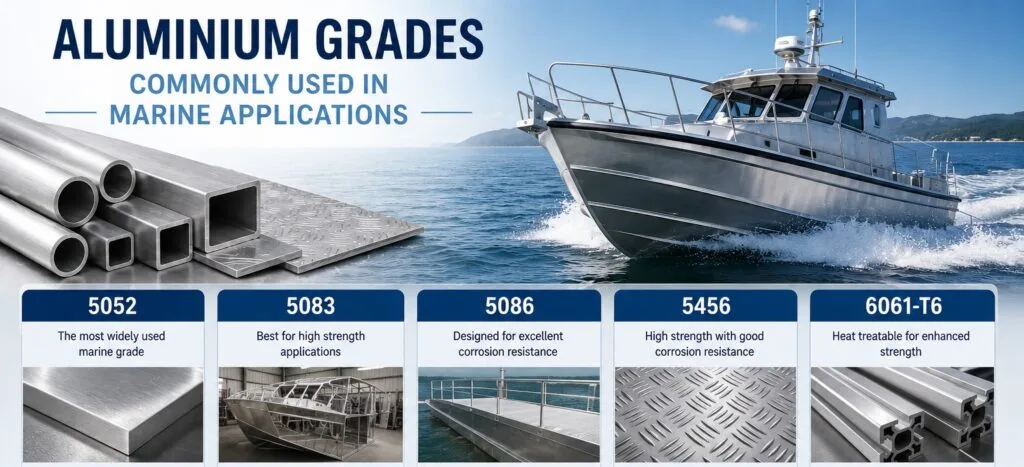
The sources cited in this article explain that certain aluminium grades are widely preferred in marine manufacturing for their corrosion resistance and strength.
The 5000 series aluminium alloys are commonly used in marine environments because they contain magnesium, which improves corrosion resistance. These alloys are frequently selected for hull construction and other marine components exposed to seawater.
The 6000 series alloys are also used in marine applications due to their combination of strength, weldability, and corrosion resistance. These alloys are often utilised in structural components and fittings.
The selection of the appropriate alloy depends on the intended marine application, structural requirements, and environmental exposure. Boat manufacturers choose these alloys carefully to ensure durability and long-term reliability.
Marine-Grade Aluminium and Weldability
Weldability is another important factor when comparing a marine-grade aluminum boat and a regular aluminum boat.
Marine-grade aluminium alloys are designed to support strong and reliable welding processes. In boat construction, welding quality directly affects hull integrity and overall vessel safety.
The ability to weld aluminium effectively without significantly reducing strength is one reason marine-grade alloys are preferred. Reliable welding helps create strong joins that can withstand the stresses associated with marine environments.
Regular aluminium alloys may not always perform as effectively during welding, particularly if they are not intended for structural marine applications. This can affect the long-term durability of the finished product.
For boat manufacturers, selecting marine-grade aluminium helps ensure that welded components maintain their strength and corrosion resistance over time.
Weight Advantages of Marine-Grade Aluminium
Weight plays a major role in boating performance, particularly for Australian boat owners who travel long distances or operate in varying water conditions.
A marine-grade aluminum boat benefits from aluminium’s lightweight nature while still maintaining strength and durability. Reduced vessel weight can improve fuel efficiency, handling, and transport convenience.
The lightweight characteristics of marine-grade aluminium also contribute to overall boating performance. Boats constructed with lighter materials may accelerate more efficiently and place less strain on engines.
Although regular aluminium may also be lightweight, marine-grade alloys are specifically engineered to deliver both lightweight performance and durability in marine conditions.
Why Marine-Grade Aluminium Is Preferred for Boats
Boat manufacturers favour marine-grade aluminium because it addresses the key challenges associated with marine environments.
Saltwater exposure, moisture, and changing temperatures can rapidly damage unsuitable materials. Marine-grade aluminium provides improved resistance to these conditions while maintaining structural strength and reliability.
Australian boating conditions can be especially demanding, ranging from offshore saltwater fishing to estuary and river environments. Marine-grade aluminium helps ensure that boats can withstand these challenges over the long term.
The durability of marine-grade aluminium also contributes to lower maintenance requirements compared to materials more susceptible to corrosion.
Marine-Grade Aluminium Boats at Sea Raider Boats
At Sea Raider Boats, customers can find aluminium boats designed for Australian conditions and built with quality marine-grade materials.
Sea Raider Boats offers a range of vessels suited to recreational boating, fishing, and offshore use. By using marine-grade aluminium in construction, these boats are developed to provide strength, corrosion resistance, and long-term durability in demanding marine environments.
For Australian boat owners comparing a marine-grade aluminum boat and a regular aluminum boat, Sea Raider Boats provides options specifically intended for marine performance and reliability.
Their focus on marine-grade construction helps ensure that vessels can withstand harsh coastal conditions while delivering dependable handling and durability on the water.
Choosing Between Marine-Grade Aluminium and Regular Aluminium
When deciding between marine-grade aluminium and regular aluminium, intended usage is one of the most important considerations.
For boats regularly exposed to saltwater or demanding marine conditions, marine-grade aluminium offers significant advantages in corrosion resistance and durability. These qualities are particularly important for Australian boat owners who frequently operate in coastal waters.
Regular aluminium may still be suitable for certain applications, but it may not provide the same long-term performance in marine environments. Choosing the correct aluminium alloy helps ensure better structural reliability and reduced risk of corrosion-related issues.
Understanding marine aluminum vs regular aluminum can help buyers make more informed decisions when selecting a boat designed for long-term use.
Conclusion
The difference between a marine-grade aluminum boat and a regular aluminum boat largely comes down to corrosion resistance, alloy composition, structural performance, and suitability for marine environments.
Marine-grade aluminium is specifically engineered for exposure to saltwater and harsh marine conditions. It offers improved durability, corrosion resistance, weldability, and strength compared to many general-purpose aluminium alloys.
For Australian boat owners, these differences are especially important due to the demanding nature of local waterways and coastal conditions. Investing in marine-grade aluminium can contribute to improved longevity, reliability, and overall boating performance.
At Sea Raider Boats, customers can explore aluminium boats built using marine-grade materials designed to handle Australian marine conditions with confidence and durability.
FAQs
A marine-grade aluminum boat is a vessel constructed using aluminium alloys specifically designed for marine environments. These alloys provide improved corrosion resistance, strength, and durability in saltwater conditions.
Marine-grade aluminium contains alloying elements such as magnesium that improve corrosion resistance and durability. It is specifically engineered for exposure to marine environments and seawater.
Marine-grade aluminium is designed to resist corrosion and maintain structural integrity in marine environments, while regular aluminium may not offer the same level of protection or durability when exposed to saltwater.
Corrosion resistance helps protect boats from deterioration caused by saltwater and moisture. This improves durability, safety, and the long-term lifespan of marine vessels.
The 5000 and 6000 series aluminium alloys are commonly used in marine applications because they provide a balance of corrosion resistance, strength, and weldability.
Yes, marine-grade aluminium is valued for being lightweight while still maintaining strong structural performance, making it suitable for boat construction.
Boat manufacturers prefer marine-grade aluminium because it provides corrosion resistance, durability, weldability, and strength in harsh marine environments.
Yes, Sea Raider Boats offers aluminium boats built with marine-grade materials designed for Australian boating conditions.