How much does it cost to own a boat in Australia?
Owning a boat in Australia can cost a few thousand dollars a year for a smaller trailer boat stored at home, while larger boats kept in commercial storage or marina berths can cost considerably more. Annual expenses typically include fuel, insurance, registration, engine servicing, maintenance, trailer upkeep and storage. For a 5-metre trailer boat, a recent Australian cost breakdown estimated around $1,700 in basic annual costs before fuel, storage and longer-term wear and tear. Using its example of $90 per week on fuel, the total rises to about $6,380 before those additional expenses. Your actual boat ownership costs will depend on the boat’s size, value, engine, usage and where you keep it.
Buying a boat is an exciting prospect, especially if you enjoy fishing, exploring the coast or spending weekends on the water with family and friends. However, the purchase price is only the beginning. Like a car, a boat needs regular servicing, fuel, insurance and ongoing maintenance. Depending on the type of boat you choose, you may also need to budget for trailer expenses, storage, safety equipment and occasional repairs.
The good news is that boat ownership costs are not the same for everyone. A small aluminium fishing boat stored in your driveway can be relatively affordable to maintain compared with a larger vessel that requires a marina berth. Understanding the likely expenses before buying helps you choose a boat that suits both your boating plans and your budget.
What Are the Main Costs of Owning a Boat in Australia?
The main boat ownership costs fall into two categories: the expenses you pay regularly and the costs that arise from use, maintenance or unexpected problems. Regular expenses may include boat registration, insurance, engine servicing and storage. Variable expenses include fuel, repairs, replacement parts and the cost of equipment you decide to add over time.
Your first-year budget may also include a few one-off purchases. You might need lifejackets, communication equipment, an anchor, ropes, navigation equipment or fishing accessories that are not included in the boat package. If you buy a boat and trailer together, check whether the quoted price includes the engine, electronics, safety equipment and registration, as these can affect the total amount you need to spend before your first trip.
1. The Initial Purchase Price
The purchase price is usually the largest single expense. It varies considerably depending on the boat’s size, construction, engine, layout, equipment and whether it is new or used.
A small aluminium boat intended for sheltered waterways will generally cost less than a larger plate aluminium fishing boat designed for coastal or offshore use. More powerful engines, additional electronics, hardtops, cabins, larger fuel tanks and specialised fishing features can increase the price of a complete package.
When comparing boats, look at the total package rather than the advertised hull price alone. Ask whether the quote includes the outboard, trailer, electronics, safety equipment, installation and any accessories you need. A lower initial price may not represent the better value if you need to spend considerably more to make the boat suitable for your intended use.
You should also consider how you plan to pay. If you use finance, interest and fees will increase the total amount paid over the life of the loan. Depreciation is another ownership consideration because the boat’s resale value may be lower than its original purchase price.

2. Boat and Trailer Registration
Registration is one of the more predictable ongoing costs, but the amount varies between Australian states and territories. Requirements and fees may depend on the boat’s length, engine or vessel category, and the applicable registration rules.
For example, New South Wales publishes registration fees based on vessel length, with different amounts for different size categories. Other states use their own fee structures, concessions and renewal requirements. You should check the current charges with the relevant state or territory authority before finalising your budget.
Remember to check the trailer separately. Depending on where you live and how the trailer is classified, it may have its own registration and associated requirements. Trailer registration, tyres, brakes, lights and bearings can all add to the cost of keeping a boat roadworthy.
Rather than assuming a single national registration price, check the actual boat and trailer requirements for your location. This will give you a more reliable annual figure.
3. Boat Insurance
Boat insurance is another expense worth including in your budget, even when you are not legally required to hold a particular policy for your recreational vessel. A suitable policy may cover accidental damage, theft, certain weather-related events and liability, depending on its terms, limits and exclusions.
The cost of boat insurance in Australia depends on the boat’s value, type, age, engine, storage arrangements, intended use and your claims history. A small boat stored securely at home can have a very different premium from a larger vessel kept in the water or used for offshore trips.
It is sensible to obtain an insurance quote before buying a boat, especially if you are comparing several models. Check whether the policy covers the boat, engine, trailer and permanently fitted equipment, and whether additional cover is needed for accessories or particular uses. Compare the excess, exclusions and insured value as well as the premium, because the cheapest policy may not offer the protection you expect.
4. Fuel Costs
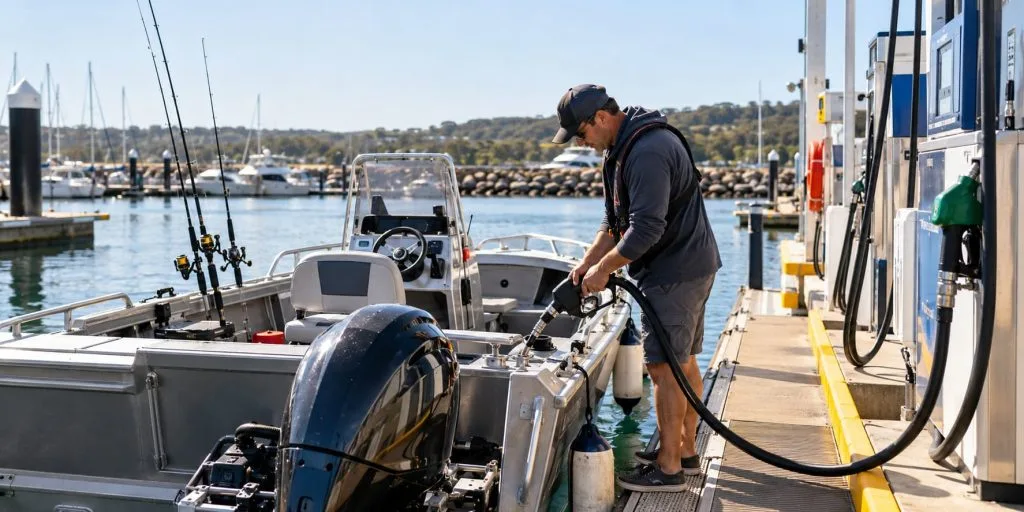
Fuel can be one of the biggest variable boat ownership expenses because it depends on how frequently you go boating, how far you travel and how much fuel your engine consumes.
A boat used for short trips a few times a month may have relatively modest fuel expenses. Someone travelling offshore most weekends can spend considerably more, particularly when running a larger outboard or covering long distances to reach fishing grounds.
A recent Australian breakdown of trailer-boat costs used an example of an owner spending around $90 per week on fuel. If that pattern continued throughout the year, the annual fuel bill would be approximately $4,680. This is an individual example rather than a typical amount for every boat, but it illustrates how quickly fuel expenditure can accumulate.
To estimate your own boat fuel costs, consider the distance of your usual trips, the engine’s consumption at cruising speed, local fuel prices and how often you expect to use the boat. Keep a record of fuel purchased and hours on the water after each trip. After a few outings, you should have a more useful estimate than relying on a general figure.
You can also control some of the expense through sensible trip planning, maintaining the engine, avoiding unnecessary idling and operating at an appropriate cruising speed. Always retain an adequate fuel reserve for changing conditions and unexpected delays.
5. Engine Servicing and Routine Maintenance
Regular servicing helps keep your boat reliable and can prevent smaller problems from becoming expensive repairs. Outboard maintenance may include engine oil and filter changes where applicable, checking the cooling system, inspecting fuel lines, replacing specified service items and examining the propeller and lower unit.
The exact servicing schedule depends on the engine, its age, operating hours and the manufacturer’s requirements. A boat used frequently in saltwater may need more attention than one used occasionally in freshwater. Following the service schedule is also important when warranty conditions apply.
For a 5-metre trailer boat, a recent Australian cost guide estimated annual servicing at around $500 to $800 for newer boats, with older boats potentially costing $800 to $1,000 depending on condition. These figures are useful planning examples, not fixed prices. Actual costs vary with the engine, service provider, parts required and any faults discovered during inspection.
Routine maintenance also includes washing the boat after use, checking electrical connections, inspecting the hull and keeping drains and bilge systems in good condition. Some basic tasks can be handled by an owner, but engine work and repairs should be completed by a suitably qualified professional when required.
6. Storage Costs
Where you keep your boat can make a noticeable difference to annual ownership costs. If you have suitable space at home, you may be able to store a trailer boat in a garage, shed or driveway, subject to local rules and practical access requirements. This can avoid a regular commercial storage fee, although you may still spend money on a suitable cover, security and upkeep.
If home storage is not possible, you could use an outdoor storage yard, a secure compound, a dry-stack facility or a marina berth. The price depends on the boat’s size, location, security, access arrangements and level of service. Marina storage can be substantially more expensive than keeping a smaller trailer boat at home.
Before buying, measure the boat and trailer together and make sure you have enough space to store and manoeuvre the complete rig. If you need paid storage, obtain a quote for the actual boat size rather than using an estimate intended for a different vessel.
Storage also affects maintenance. A boat exposed to the weather may need more frequent cleaning, cover replacement and attention to corrosion or other wear than one stored in a suitable sheltered area.
7. Trailer Maintenance and Replacement Parts
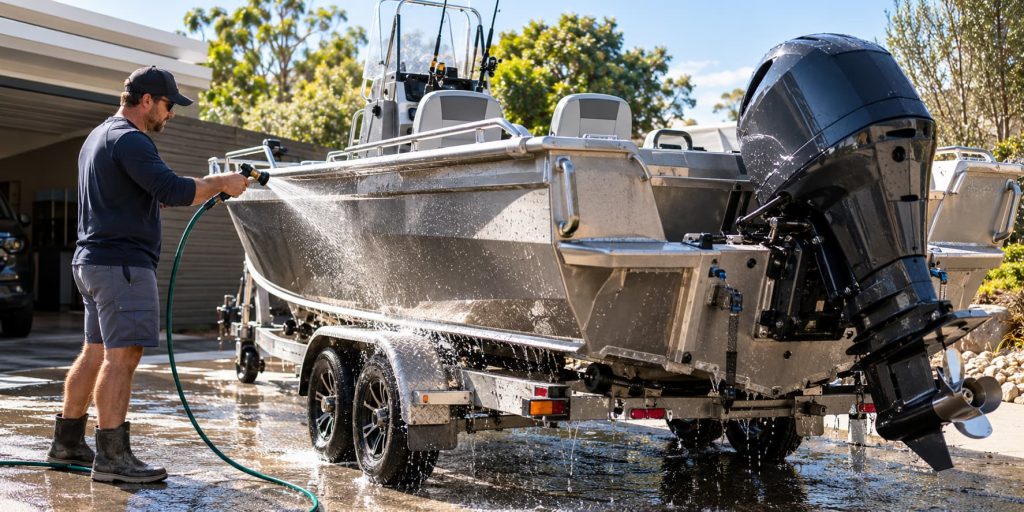
For trailer-boat owners, the trailer is an important part of the overall package and deserves its own maintenance budget. Regular checks include tyres, wheel bearings, brakes, lights, suspension, coupling, winch strap and tie-downs. Saltwater launching can accelerate corrosion, so rinsing the trailer and inspecting vulnerable components are sensible habits.
Some costs occur periodically rather than every year. Tyres may last several seasons depending on their age, condition, load and use. Bearings, brakes and other components may need attention as they wear. Keeping up with inspections can help identify issues before they lead to a breakdown or unsafe towing.
The cost of repairs varies according to the trailer’s size, braking system and condition. If you are buying a used boat package, inspect the trailer carefully rather than assuming it is ready for years of use. A neglected trailer can turn an apparently affordable boat into a much more expensive purchase.
8. Safety Equipment and Electronics
Your boat may already come with some safety equipment and electronics, but you should check exactly what is included. Depending on the vessel and where you intend to operate, you may need lifejackets, an anchor and suitable lines, communication equipment, navigation lights, emergency signalling equipment and other items required for your location and operating conditions.
Electronics can add to the initial cost as well. A GPS chartplotter, fish finder, sounder or marine radio may be important for your style of boating, but the equipment you need depends on the boat and where you use it. You do not necessarily have to buy every available upgrade immediately.
Check the applicable state or territory safety requirements and the manufacturer’s recommendations. Budget for equipment that is appropriate for your intended trips, and remember that some items have inspection, servicing or replacement requirements over time.
9. Repairs, Upgrades and Unexpected Expenses
Even a well-maintained boat can develop problems. An electrical fault, damaged propeller, worn trailer component or engine issue can create an expense that was not included in your normal annual budget. The age and condition of the boat make a difference, as do the number of hours it spends on the water and the conditions in which it operates.
You may also choose to upgrade the boat over time. New electronics, improved seating, additional storage or fishing accessories can improve your experience, but these are optional expenses rather than unavoidable annual costs.
It is worth keeping a separate maintenance reserve instead of spending your entire budget on the purchase itself. The amount you set aside will depend on the boat’s value, age, complexity and condition. A newer boat with warranty coverage may have a different risk profile from an older boat with an engine or trailer that needs attention.
How Much Does It Cost to Own a 5-Metre Trailer Boat?
A 5-metre trailer boat provides a useful example because many owners can store this type of boat at home and tow it to a ramp when they want to go out.
A recent Australian cost breakdown estimated around $600 per year for boat and trailer registration combined, approximately $600 for comprehensive insurance, and $500 to $800 for servicing a newer boat. That produces a basic annual total of around $1,700 to $2,000 before fuel, storage, longer-term wear and tear or unexpected repairs.
If the owner spends $90 per week on fuel, that adds approximately $4,680 a year. The combined figure would therefore be around $6,380 to $6,680 before the other expenses mentioned above. Owners who use their boats less often, store them at home and have lower fuel consumption may spend considerably less, while frequent users or owners with older equipment may spend more.
These numbers are an illustrative example based on published cost estimates, not a quote or a universal average. They show why it is important to calculate your own likely usage and include a buffer for irregular expenses.
How Much Does It Cost to Own a Boat Each Year?
There is no single annual cost that applies to every Australian boat owner. A small trailer boat stored at home may have relatively manageable fixed expenses, while a larger boat with a more powerful engine, paid storage and frequent offshore use can cost much more.
For a useful budget, list your expected registration, insurance, servicing and storage costs first. Then estimate fuel from your planned trips and add a reserve for repairs, trailer maintenance and replacement equipment. If you intend to finance the purchase, include the repayments and fees separately so you can see both the annual running costs and the full financial commitment.
Some boat-buying guides suggest using a percentage of the boat’s value as an initial maintenance allowance. This can be a rough starting point, but it should not replace a detailed budget because two boats with similar purchase prices can have very different engines, storage arrangements and operating costs.
How Can You Reduce the Cost of Boat Ownership?
The most effective way to control boat ownership costs is to choose a boat that suits your actual needs. Buying a larger or more powerful boat than you require can increase the initial purchase price, fuel use, servicing costs and storage requirements. Think carefully about where you fish, how many people normally come along and how far you typically travel.
Home storage can help reduce ongoing expenses if you have suitable space, while routine maintenance can help avoid preventable repairs. Comparing insurance quotes, planning fuel-efficient trips, checking the trailer regularly and purchasing equipment according to genuine needs can also help keep spending under control.
It is important not to cut costs by ignoring servicing, safety equipment or the manufacturer’s instructions. Saving money on routine checks can become much more expensive if a preventable fault develops while you are towing or on the water.
How Sea Raider Boats Fit Into Your Ownership Budget
Sea Raider offers a range of plate aluminium boats designed for different fishing needs, from smaller fishing configurations to larger boats intended for offshore use. When comparing a Sea Raider model with other options, consider the complete package rather than the hull price alone.
Ask for a clear quote that identifies the hull, outboard, trailer, electronics, standard equipment and any optional upgrades. The boat’s size, engine configuration, fuel capacity and intended use will affect your ongoing costs, so it is worth discussing your typical trips and storage arrangements before selecting a model.
A boat that suits your needs and budget is generally a better long-term choice than buying purely on size or horsepower. By planning for registration, insurance, fuel, servicing, storage and repairs before making a decision, you can enjoy the benefits of boat ownership with a clearer understanding of the financial commitment.
Boat Ownership Cost Checklist
Before buying, work through the main costs and use actual quotes wherever possible. Include the purchase price and any finance costs, registration for the boat and trailer where applicable, insurance, engine servicing, fuel, storage, safety equipment, electronics, trailer maintenance and a reserve for unexpected repairs. If you are considering a used boat, allow for a professional inspection and any work needed to bring the boat and trailer into suitable condition.
This exercise can also help you compare two different boats fairly. One may have a lower purchase price but require more fuel, maintenance or storage, while another may cost more upfront but better suit your intended use. Looking at the whole ownership picture will help you make a decision based on value rather than the initial price alone.
Frequently Asked Questions
The annual cost depends on the boat’s size, engine, usage, insurance, storage and maintenance. A recent cost breakdown for a 5-metre trailer boat estimated around $1,700 in basic annual expenses before fuel, storage and longer-term wear. Adding an example fuel bill of $4,680 brings the total to around $6,380 before those additional expenses.
Fuel can be one of the largest variable expenses for owners who use their boats frequently. For other owners, storage, servicing, insurance or major repairs may account for a larger share of the budget. The biggest cost depends on the type of boat and how it is used.
Home storage can be cheaper than paying for a commercial storage yard or marina berth, provided you have enough suitable space and can store the boat safely. You may still need to budget for a cover, security and maintenance, and local rules may affect where you can keep the boat.
There is no single standard premium. The cost depends on the boat’s value, type, age, storage arrangements, intended use, cover and excess, as well as your boating and claims history. Obtain a quote for the specific boat you intend to buy and compare the policy conditions as well as the price.
The cost depends on the engine type, age, operating hours, service schedule and parts required. A recent Australian guide estimated around $500 to $800 per year for servicing a newer engine on a 5-metre trailer boat, with older boats potentially costing more. Ask a marine service provider for an estimate based on the particular engine.
Boat and trailer registration requirements differ according to the state or territory and the applicable rules. Check both the vessel and trailer requirements with the relevant authority so you can budget for the correct fees and renewals.
A used boat may cost less to purchase, but its overall value depends on its condition, engine history, trailer, maintenance records and any repairs needed. A pre-purchase inspection can help identify problems that may increase the total cost after buying.
The amount depends on the boat’s value, age, complexity and use. Rather than relying on one percentage for every boat, estimate routine servicing, trailer upkeep and likely replacement items, then set aside an additional reserve for unexpected repairs.
Include the complete boat package, engine, trailer, registration, insurance, safety equipment, electronics and any essential accessories not included in the quote. You should also consider storage, towing capacity, fuel, servicing and finance costs if applicable.
Maintenance costs depend on the boat’s construction, equipment, engine, use and storage. Aluminium boats can be practical for fishing, but owners still need to maintain the hull, engine, electrical systems, trailer and safety equipment. Saltwater use also makes regular rinsing and inspection important.
Final Thoughts
The cost of owning a boat in Australia goes well beyond the price you pay at the dealership. Registration, insurance, fuel, engine servicing, storage, trailer maintenance and occasional repairs all need to be considered before you commit to a purchase.
A smaller trailer boat stored at home may be a practical way to enjoy fishing without paying for a marina berth, but your actual costs will depend on how often you use it and how far you travel. The best approach is to build a realistic budget using current quotes, your intended boating habits and a reserve for unexpected expenses.
If you are considering an aluminium fishing boat, compare the complete package and its ongoing requirements before making a decision. Choosing a boat that suits your fishing plans, towing setup, storage options and budget can make ownership more enjoyable over the long term.
Disclaimer: This article provides general information about boat ownership costs in Australia. Prices are indicative examples and may change according to location, supplier, vessel type and individual circumstances. Registration and safety requirements vary between states and territories. Confirm current fees with the relevant authorities and obtain personalised quotes for insurance, servicing and storage before making a purchase.