Boating is one of the most rewarding ways to experience Australia’s coastlines, rivers, and open waters. Whether you are heading out for a weekend trip, recreational fishing, or operating commercial fishing boats, being prepared for changing weather conditions is essential. Weather awareness for boaters is not just about comfort on the water; it is a critical safety practice that can help prevent dangerous situations.
Australia’s waters can change quickly, with wind shifts, storms, and sudden weather variations affecting boating conditions. For this reason, weather awareness should always be part of your boating routine before launching your vessel. From checking forecasts to reading the sky and monitoring wind changes, weather awareness helps you make informed decisions while on the water.
In this guide, we will explore the importance of weather awareness for boaters, how to interpret conditions before departure, and what to do when the weather changes unexpectedly.
Understanding Weather Awareness for Boaters
Weather awareness for boaters refers to the ability to understand, monitor, and respond to weather conditions that may affect boating safety. Before any boating trip, experienced boaters make it a habit to check forecasts, observe environmental cues, and prepare for potential weather changes.
Weather conditions influence several aspects of boating, including water movement, visibility, and vessel handling. Wind, storms, rain, and temperature shifts can all impact boating conditions. By staying alert to weather conditions, boaters can avoid unnecessary risks and ensure a safer experience on the water.
Weather awareness also helps boaters decide whether conditions are suitable for boating in the first place. Sometimes the safest decision is to postpone a trip until conditions improve.
Why Weather Awareness Matters for Boaters
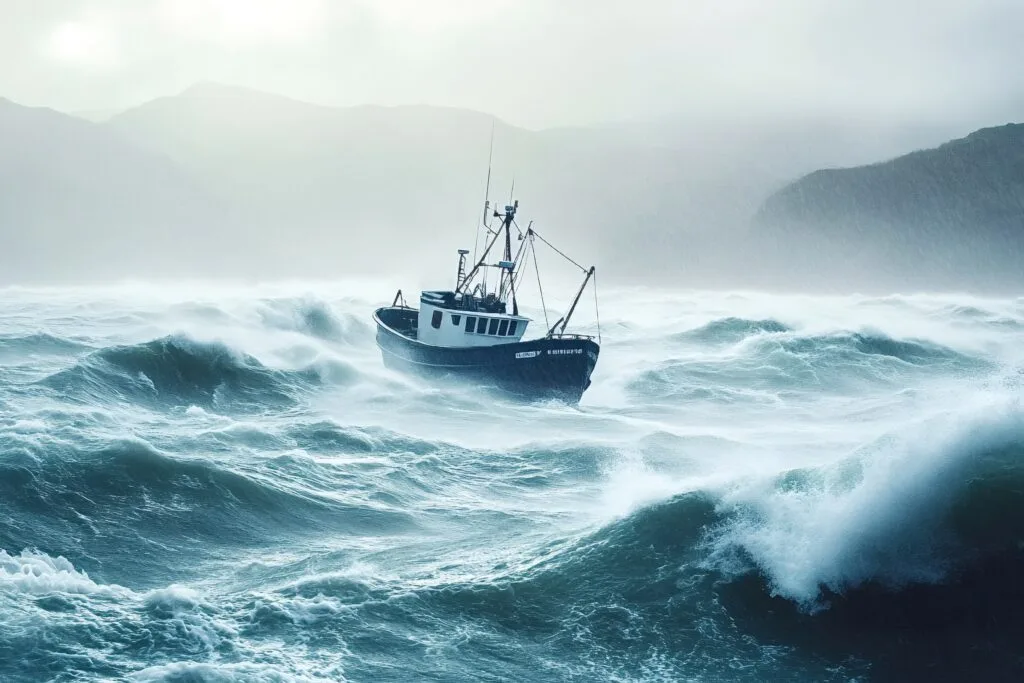
Weather awareness is one of the most important safety practices for anyone operating a boat. Sudden storms, strong winds, and rapidly changing weather conditions can create hazardous situations, particularly in open water.
One of the biggest risks comes from wind. Strong winds can produce large waves, making boat control more difficult. Smaller vessels may struggle in rough conditions, and even larger vessels can be affected by sustained winds.
Visibility is another key factor. Rain, fog, and storms can significantly reduce visibility, making navigation more difficult and increasing the risk of collisions.
Weather awareness for boaters ensures that operators are not caught off guard by changing conditions. It helps boaters make informed decisions about when to leave the dock, when to return to shore, and how to navigate safely in challenging conditions.
Checking Weather Conditions Before Leaving
Before heading out on the water, checking weather forecasts is a crucial step for any boating trip. Forecasts provide valuable information about expected wind speeds, storms, rainfall, and changing weather patterns.
Boaters should review forecasts specifically designed for marine environments. These forecasts focus on conditions over water, which may differ significantly from weather conditions on land.
Wind forecasts are particularly important because wind influences wave height and water movement. Even moderate wind changes can alter boating conditions quickly.
In addition to forecasts, boaters should pay attention to weather warnings and advisories. If severe weather warnings are issued, it is generally best to postpone boating activities.
By checking forecasts carefully, boaters can plan routes, prepare for possible weather changes, and determine whether conditions are safe for boating.
Observing Weather Patterns on the Water
While forecasts provide guidance, weather awareness also involves observing real-time conditions on the water. Experienced boaters constantly monitor the sky, wind direction, and water conditions during their trip.
Cloud formations can provide early signs of changing weather. Darkening clouds, increasing wind, or sudden temperature drops can indicate approaching storms.
Wind shifts are another sign that weather conditions may change. If winds begin to strengthen or change direction unexpectedly, it may be a signal that conditions are deteriorating.
Water surface conditions also provide important clues. Increasing wave height, choppy water, or rapidly changing currents can indicate worsening weather conditions.
Maintaining weather awareness throughout the trip allows boaters to respond quickly and make decisions that prioritise safety.
Understanding Wind and Wave Conditions
Wind is one of the most significant factors affecting boating conditions. Even when skies appear clear, strong winds can create difficult conditions on the water.
Wind generates waves, and larger waves can make navigation more challenging. Boats may experience reduced stability, increased fuel consumption, and slower travel speeds.
Weather awareness for boaters includes understanding how wind direction and speed affect water conditions. Winds blowing over long distances across open water can produce larger waves, making boating more difficult.
Boaters should also consider how wind may affect their return trip. Conditions that are calm when departing may become rough later in the day.
By paying attention to wind patterns and wave conditions, boaters can avoid unnecessary risks and plan safer trips.
Storm Awareness and Boating Safety
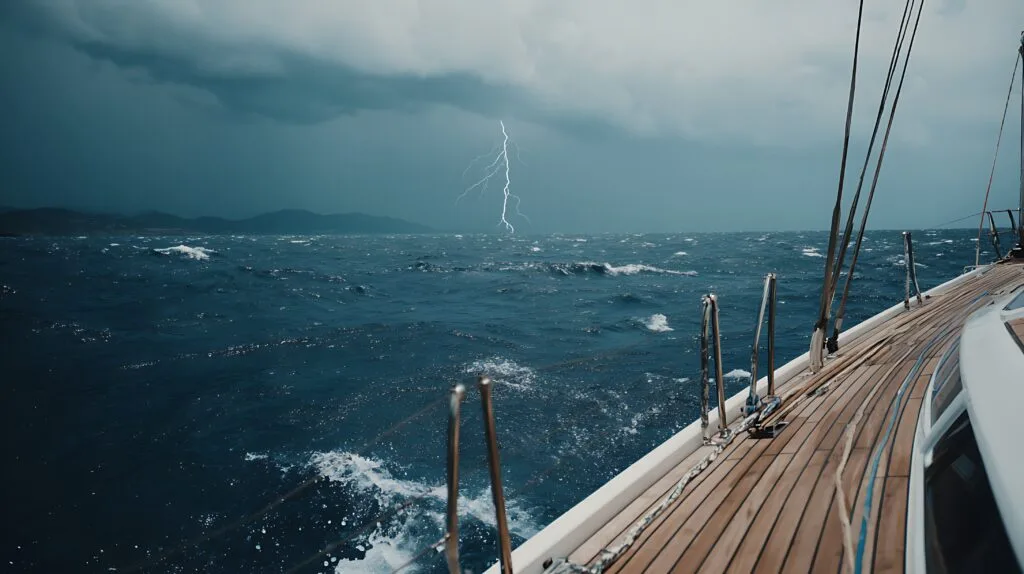
Storms pose one of the greatest dangers to boaters. Thunderstorms can develop rapidly and bring strong winds, lightning, heavy rain, and reduced visibility.
Weather awareness plays a critical role in recognising early signs of storms. Dark clouds, sudden wind increases, and distant thunder are often indicators that a storm may be approaching.
If storms are forecast or observed nearby, the safest option is usually to head back to shore immediately. Remaining on open water during severe weather can expose boaters to dangerous conditions.
Preparing for storms also includes having safety equipment onboard and ensuring that navigation systems are functioning properly.
Understanding storm safety and maintaining strong weather awareness can help boaters avoid dangerous situations.
How Weather Affects Different Types of Boats
Weather conditions can affect different boats in different ways. Vessel size, design, and purpose all influence how a boat handles changing conditions.
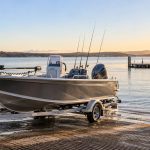
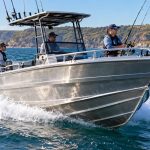
For example, aluminium boats are commonly used for recreational boating and fishing because they are lightweight and durable. However, lighter vessels may respond more noticeably to wind and waves, which means weather awareness becomes especially important.
Larger vessels, such as commercial fishing boats, are typically designed to handle more demanding conditions. Even so, commercial operators must still prioritise weather awareness to ensure crew safety and protect valuable equipment.
Regardless of vessel type, weather awareness for boaters is essential. Every boat operator should understand how weather conditions influence their vessel’s performance and handling.
Preparing Your Boat for Changing Weather
Weather awareness is not only about monitoring forecasts; it also involves preparing your boat properly before departure.
Boat operators should ensure that navigation lights, communication equipment, and safety gear are functioning correctly. If weather conditions change suddenly, having reliable equipment onboard becomes critical.
Boaters should also plan routes carefully and identify safe harbours or sheltered areas where they can take cover if conditions worsen.
Weather awareness also includes informing others about your boating plans. Sharing your intended route and return time helps ensure assistance can be provided if needed.
Preparation and awareness work together to create safer boating experiences.
The Role of Boat Maintenance and Protection
Weather exposure can also affect the long-term condition of boats. Sun, wind, rain, and saltwater can all impact a vessel’s appearance and structural integrity over time.
Protective solutions such as boat wraps can help shield boats from environmental exposure while also maintaining a professional appearance. Boat wraps can provide a layer of protection against sun damage and weather-related wear.
Regular maintenance also plays an important role in ensuring boats remain reliable in varying weather conditions. A well-maintained vessel is better equipped to handle the challenges that changing weather may present.
Maintaining both the mechanical condition and protective elements of your vessel contributes to safer boating.
Choosing the Right Boat for Australian Waters
Different boating activities require different vessels. Whether for recreation or professional use, selecting the right boat can make a significant difference in how well it handles weather conditions.
Sea Raider Boats offers vessels suited for both recreational and commercial applications. Their range includes durable aluminium boats designed for reliability in Australian waters.
In addition, Sea Raider Boats also provides commercial fishing boats built to support demanding fishing operations. These vessels are designed to handle the practical requirements of commercial fishing while maintaining durability and performance.
Having access to both aluminium boats and commercial fishing boats allows boaters to choose vessels that suit their specific needs and operating conditions.
Regardless of the boat type, weather awareness remains a fundamental part of safe boating.
Developing Strong Weather Awareness Habits
Weather awareness for boaters is not a one-time activity but an ongoing habit that develops with experience.
Responsible boaters regularly check forecasts, observe changing conditions, and adjust their plans accordingly. Over time, this awareness becomes second nature and helps boaters recognise early warning signs of deteriorating conditions.
By developing consistent weather awareness habits, boaters can significantly reduce the risks associated with boating in unpredictable environments.
Safe boating is always a combination of preparation, observation, and informed decision-making.
Conclusion
Weather awareness for boaters is one of the most important skills anyone operating a vessel can develop. From checking forecasts before departure to observing changing conditions on the water, weather awareness allows boaters to make safer decisions and avoid dangerous situations.
Australian waters offer incredible opportunities for recreation and commercial activity, but they also require respect for the power of changing weather. Wind, storms, and visibility conditions can change rapidly, making awareness and preparation essential.
Whether you are navigating aluminium boats for leisure or operating commercial fishing boats professionally, maintaining strong weather awareness ensures that every boating trip is safer and more enjoyable.
With the right knowledge, preparation, and attention to weather conditions, boaters can confidently explore Australia’s waterways while prioritising safety at all times.
FAQs
Weather awareness for boaters refers to understanding and monitoring weather conditions that may affect boating safety. It includes checking forecasts, observing wind and wave conditions, and recognising signs of approaching storms.
Weather awareness helps boaters determine whether conditions are safe for boating. It allows operators to avoid storms, strong winds, and poor visibility that could create dangerous situations on the water.
Boaters should review marine weather forecasts and check for warnings or advisories. Forecasts provide information about wind speed, storms, and expected weather patterns over water.
Wind generates waves and influences water movement. Strong winds can create rough water, making boat control more difficult and increasing the risk of accidents.
Aluminium boats are widely used in Australia for recreational boating and fishing. Their lightweight and durable design makes them practical for many boating activities, although weather awareness remains essential.
Commercial fishing boats are generally built to operate in more demanding conditions. However, operators must still prioritise weather awareness to ensure safety and manage changing conditions.
If a storm approaches, boaters should head back to shore or seek shelter as soon as possible. Monitoring weather conditions and responding quickly helps reduce risks.
Boat wraps can provide a protective layer that helps shield vessels from sun exposure and environmental wear. They also help maintain the appearance of boats over time.