Boating is an integral part of Australia’s lifestyle, whether it’s coastal cruising, offshore fishing, or navigating inland waterways. Yet, one question that often concerns both new and experienced boaters is this: which boats sink the most, and what causes boats to sink? Understanding this is not only essential for safety but also for making smarter decisions when investing in a vessel.
At Sea Raider Boats, we believe that knowledge is just as important as craftsmanship. In this guide, we explore the realities behind boat sinkings, the types of vessels most commonly affected, and the underlying reasons, drawing exclusively from the referenced materials. We also provide practical insights into boat safety tips and how to minimise boat stability issues.
Understanding Boat Sinkings: More Than Just the Boat Type
Before identifying which boats sink the most, it’s important to clarify a key point: boats rarely sink purely because of their type. According to the referenced materials, sinkings are usually the result of multiple contributing factors, including maintenance issues, environmental conditions, and operator decisions.
That said, certain categories of boats are statistically more vulnerable due to their design, usage, or operating environments.
Which Boats Sink the Most?
Small Recreational Boats Lead the Numbers
The articles consistently highlight that smaller recreational boats particularly open boats, are more prone to sinking or capsizing. These include runabouts, dinghies, and small fishing vessels.
The reason isn’t necessarily poor design but rather exposure to risk. These boats are more frequently used in varied conditions and are often operated by less experienced users. Their lower freeboard and lighter structure can also make them more susceptible to taking on water.
When discussing which boats sink the most, it becomes clear that smaller boats dominate the statistics due to a combination of frequent use, environmental exposure, and human factors.
Open Boats and Stability Challenges
Open boats, especially those without enclosed cabins, are more vulnerable to water ingress. Waves, heavy rain, or even improper weight distribution can quickly lead to instability.
This ties directly into boat stability issues, which are a major contributor to sinking incidents. When a vessel becomes unstable, it increases the likelihood of capsising or allowing water onboard faster than it can be expelled.
Fishing Boats and Operational Risks
Fishing boats, particularly smaller ones, are also commonly mentioned in the referenced materials. This is largely due to how they are used. Anglers often move around the vessel, shift weight, and operate in changing sea conditions.
These behaviours can exacerbate boat stability issues, especially in smaller vessels. Additionally, fishing gear and equipment can add uneven weight, further increasing the risk.
Larger Boats: Less Frequent, But Not Immune
While larger boats and yachts are less likely to sink compared to smaller vessels, they are not immune. The referenced articles note that when larger boats do sink, it is often due to structural or mechanical failures rather than stability issues.
This includes problems such as hull breaches, failed fittings, or neglected maintenance. These incidents may be less frequent but can be more severe when they occur.
What Causes Boats to Sink?
Understanding what causes boats to sink is critical to reducing risk. Across the referenced materials, several consistent causes emerge.
Water Ingress: The Primary Culprit
The most common cause of sinking is water entering the boat and not being removed effectively. This can happen through leaks, damaged hulls, or faulty fittings.
Even a small leak can become dangerous over time if not addressed. The articles emphasise that many sinkings occur at the dock, where unnoticed leaks gradually fill the vessel.
Poor Maintenance and Equipment Failure
Neglected maintenance is another major factor in what causes boats to sink. Components such as hoses, clamps, and through-hull fittings can degrade over time.
When these fail, water can enter the vessel rapidly. The referenced materials stress that regular inspection is essential to prevent such failures.
Boat Stability Issues and Overloading
Improper weight distribution and overloading significantly contribute to sinking incidents. When a boat is overloaded or unevenly balanced, it sits lower in the water and becomes more vulnerable to waves.
This is one of the most critical boat stability issues highlighted in the articles. Even a well-designed boat can become unsafe if not loaded correctly.
Weather and Environmental Conditions
Sudden weather changes, strong winds, and rough seas are also key contributors. Smaller boats are particularly vulnerable in these situations.
The referenced materials explain that many incidents occur when boaters underestimate conditions or fail to adjust their plans accordingly.
Human Error and Decision-Making
Operator behaviour plays a significant role in what causes boats to sink. Poor judgement, lack of experience, or failure to follow safety practices can quickly escalate a manageable situation into a dangerous one.
From ignoring weather warnings to overloading the vessel, human error is a recurring theme across all the referenced sources.
The Hardest Boats to Sink
While the focus is often on which boats sink the most, it’s equally important to understand which boats are designed to resist sinking.
The referenced materials note that boats with buoyancy features, such as sealed compartments or foam flotation, are significantly harder to sink. These designs ensure that even if water enters the vessel, it remains afloat.
This is particularly relevant when choosing a boat, as construction and design play a crucial role in safety.
Boat Safety Tips to Reduce Sinking Risks
Preventing sinking starts with adopting the right habits and understanding your vessel. Based on the referenced materials, several boat safety tips stand out.
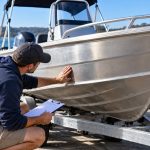
Regular maintenance is essential. Checking hoses, fittings, and the hull for signs of wear can prevent small issues from becoming major problems. Keeping bilge systems functional ensures that any water entering the boat can be removed efficiently.
Proper loading is another critical factor. Distributing weight evenly and avoiding overloading helps maintain stability and reduces the risk of capsising.
Monitoring weather conditions is equally important. Planning trips according to forecasts and being prepared to change course or return early can significantly reduce risk.
Finally, understanding your boat’s limitations and operating within them is one of the most effective ways to prevent sinking.
How Sea Raider Boats Supports Safer Boating
At Sea Raider Boats, safety and performance go hand in hand. We understand the concerns around which boats sink the most and have designed our vessels to address these risks.
Our range includes both smaller recreational boats and larger, more robust models, ensuring that boaters have access to vessels suited to their needs. By offering a variety of boat types, we provide options that balance performance, durability, and safety.
Each boat is built with careful attention to structure and reliability, helping to minimise the risks associated with what causes boats to sink. Whether you’re navigating calm inland waters or heading offshore, our boats are designed to perform in Australian conditions.
Why Boat Type Alone Doesn’t Determine Risk
A key takeaway from the referenced materials is that boat type alone does not determine whether a vessel will sink. While certain boats are more commonly involved in incidents, the underlying causes are often preventable.
Factors such as maintenance, loading, weather awareness, and operator behaviour play a far greater role. This means that even boats considered more vulnerable can be operated safely with the right approach.
Understanding boat stability issues and addressing them proactively is essential for all boaters, regardless of the vessel they choose.
Conclusion
So, which boats sink the most? The answer, based on the referenced materials, points towards smaller recreational and open boats due to their exposure to risk, operational use, and susceptibility to stability challenges.
However, the more important question is what causes boats to sink. From water ingress and poor maintenance to overloading and human error, the causes are often preventable.
By following essential boat safety tips and addressing boat stability issues, boaters can significantly reduce their risk. At Sea Raider Boats, we are committed to providing vessels that support safer boating experiences across Australia.
Ultimately, safe boating isn’t just about the boat you choose, it’s about how you use it.
FAQs
Smaller recreational boats, particularly open vessels, are most commonly involved in sinking incidents due to their exposure to varying conditions and stability challenges.
The primary causes include water ingress, poor maintenance, overloading, and human error, all of which are highlighted in the referenced materials.
Larger boats are generally less prone to sinking, but they can still be affected by structural or mechanical failures if not properly maintained.
Instability caused by uneven weight distribution or overloading can make a boat more vulnerable to capsising or taking on water.
Yes, regular inspections and maintenance of key components can prevent many of the issues that lead to sinking.
Key tips include maintaining your vessel, loading it correctly, monitoring weather conditions, and understanding your boat’s limitations.
Certain boats include buoyancy features that make them very difficult to sink, even if they take on water.
Yes, Sea Raider Boats provides a range of vessels designed with safety, durability, and performance in mind, suitable for various boating needs in Australia.