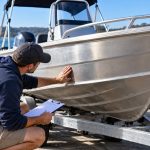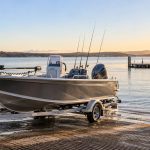
Owning an aluminium boat gives you the freedom to fish different waterways, explore new destinations and take your boat wherever the conditions are right. For many Australian boat owners, that means regular trips on the trailer, whether it is a short drive to the local ramp or a much longer journey to a new fishing destination.
However, transporting and storing an aluminium boat properly is just as important as looking after it on the water. A suitable trailer, correct weight distribution, secure tie-downs and regular trailer maintenance can help protect the hull and make towing safer. Once you return home, proper cleaning, drainage, ventilation and storage can help prevent moisture, corrosion and unnecessary wear.
If you are wondering How to Transport an Aluminium Boat safely or looking for practical advice on How to Transport and Store an Aluminium Boat, this guide covers the important things to consider.
Why proper transport and storage matter
An aluminium boat is built to handle demanding conditions, but it still needs appropriate support when it is sitting on a trailer or being stored for an extended period. During transport, road vibration, braking, cornering and uneven surfaces place forces on both the trailer and the boat. If the boat is not supported or secured correctly, it can move on the trailer, putting unnecessary stress on the hull, fittings and trailer components. Storage presents a different set of challenges. Water left inside the boat, trapped moisture, salt deposits and poor ventilation can contribute to corrosion, mould and deterioration of equipment. Good transport and storage habits are therefore about more than protecting the boat’s appearance. They help preserve its condition and can reduce the likelihood of expensive repairs later.
How to Transport an Aluminium Boat
Choose a trailer with the right capacity
The first step in learning How to Transport an Aluminium Boat is choosing a suitable trailer. Do not calculate the required trailer capacity from the dry weight of the boat alone. The actual load can include the outboard motor, fuel, batteries, fishing equipment, safety equipment, water, accessories and anything else being carried. The trailer needs sufficient capacity for the complete loaded combination, and the towing vehicle must also be rated to tow it safely. Manufacturer guidance for aluminium boats recommends checking the combined weight of the boat, motor, battery, fuel and other loads before choosing or using a trailer.
This becomes particularly important with larger plate boats. A boat that looks manageable when empty can become substantially heavier once it is fully equipped for a fishing trip. Before a long journey, check the boat’s actual loaded weight where possible rather than relying on an estimate.
Make sure the boat is supported correctly
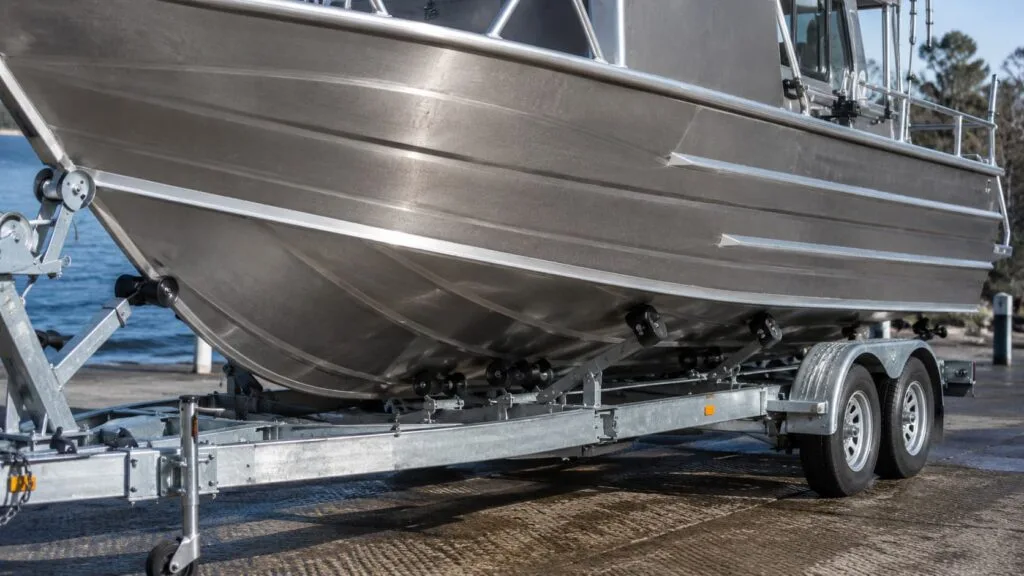
The boat should sit securely on the trailer’s designed support points. The keel and hull support system needs to distribute the load rather than concentrating pressure in small areas. Side supports should also be positioned correctly so that the boat remains stable without placing unnecessary pressure on the hull.
Trailer guides and bunks should suit the hull shape and dimensions. An incorrectly adjusted trailer can cause the boat to sit unevenly, which may lead to movement and unnecessary stress while travelling. Guidance for trailer transportation recommends adjusting the support system so that the main weight of the boat is properly supported and the hull remains stable. If you are unsure whether a trailer has been correctly fitted to your boat, have it checked before undertaking a long trip.
Get the weight distribution right
Weight distribution affects towing stability. The boat should sit in the correct longitudinal position on the trailer, with the bow support adjusted to achieve appropriate tow-ball pressure. Too much weight at the front can place excessive load on the towing vehicle, while insufficient weight can contribute to trailer sway. Australian trailer maintenance guidance recommends paying close attention to load balance and tow-ball weight, while also staying within the trailer’s rated ATM and load limits. Do not use the boat as a place to store heavy equipment during transport simply because there is spare space. Keep heavy items positioned sensibly and secure anything that could move.
Secure the bow and stern
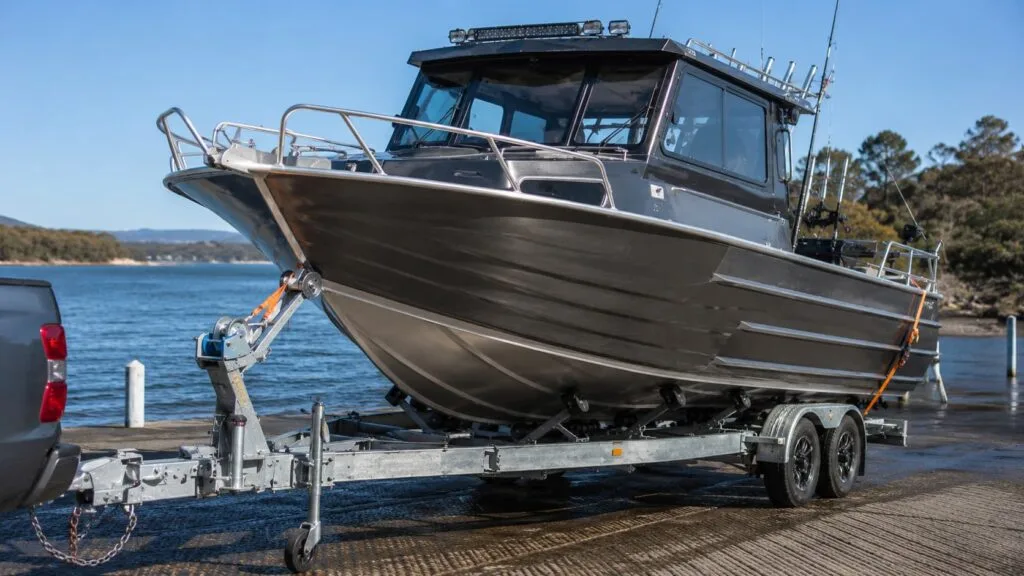
The winch strap should hold the boat securely against the bow stop, but the winch should not be treated as the only restraint holding the boat to the trailer. Use the appropriate bow and stern restraints recommended for your trailer and boat. The stern should be secured so the boat cannot move backwards, forwards or sideways during transport. Protective pads can be used between straps and the boat where necessary to prevent rubbing or damage. Do not overtighten ratchet straps. Excessive tension can put unnecessary stress on the trailer and boat. Australian trailer maintenance guidance specifically warns against over-tightening straps and recommends allowing appropriate flexibility rather than transferring road vibration directly into the trailer structure. Before leaving the ramp, walk around the boat and physically check each restraint.
Remove loose equipment
Anything that is not securely fitted should be removed or properly secured before travelling. Fishing rods, tackle boxes, cushions, anchors, portable electronics and other equipment can move around when a trailer is travelling over uneven roads. Loose equipment can damage the boat or fall onto the road. Close hatches and compartments and check that removable items are properly stored. Manufacturer transport guidance also recommends removing excess loads and loose equipment before towing.
Check the trailer before every long trip
A trailer is just as important to the journey as the boat itself.
Before travelling, inspect:
- Tyre condition and pressure
- Wheel nuts
- Wheel bearings
- Brakes
- Trailer lights
- Coupling
- Safety chains
- Winch and winch strap
- Jockey wheel
- Trailer frame
- Tie-downs
- Bunks, rollers and support brackets
Wheel bearings deserve particular attention if the trailer is regularly immersed during launching and retrieval. Regular flushing and lubrication can help maintain bearing condition, while inspections can identify water contamination or wear before it becomes a roadside problem. Do not wait until the morning of a long trip to discover a worn tyre, damaged strap or faulty trailer light.
Take extra care on long road trips
Long-distance towing puts more heat, vibration and wear through the trailer than a short trip to the local boat ramp. It also throws more stones at the hull, so a boat stone guard on the trailer is worth fitting. For longer journeys, stop periodically in a safe location and inspect the combination. Check the straps, tyres, wheel hubs and general trailer condition. Look for anything that has shifted or become loose. If you notice unusual movement, vibration, heat from a wheel hub or a change in towing behaviour, stop and investigate rather than continuing and hoping the problem disappears.
Preparing an Aluminium Boat for Storage
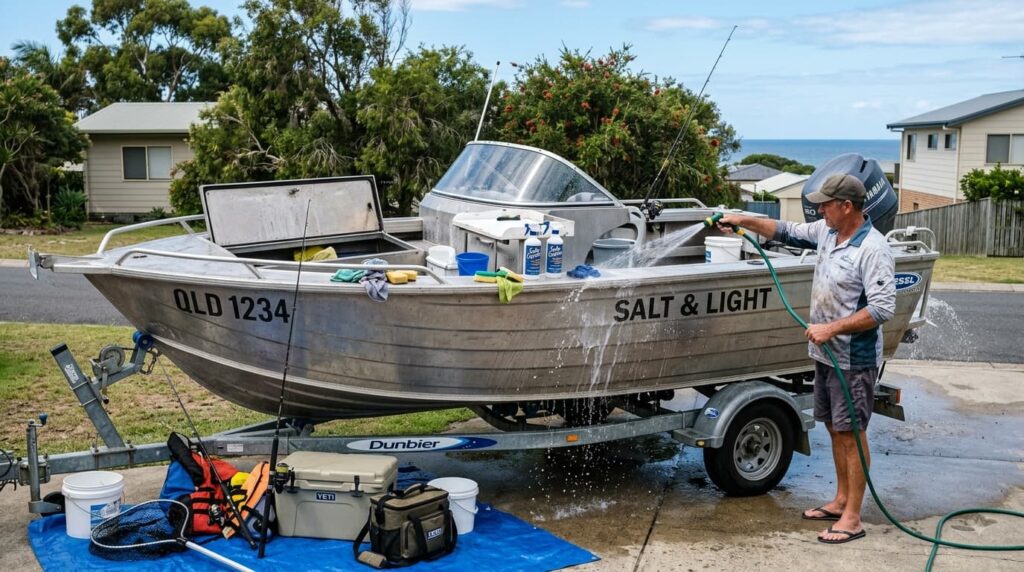
Once you have returned from a fishing trip, storage preparation should start before the boat is covered.
Wash the boat thoroughly
If the boat has been used in saltwater, rinse it thoroughly with fresh water. Salt deposits can remain on the hull, trailer, fittings and equipment after a trip. Removing them helps reduce the risk of corrosion and gives you an opportunity to inspect the boat. Wash the inside as well as the outside. Fishing debris, bait residue, mud and other contaminants should not be left sitting on the boat for extended periods. Thorough cleaning and drying are recommended before putting an aluminium boat into long-term storage.
Drain all remaining water
Water should be able to drain from the boat before storage. Check the bilge, drainage points and other low areas for standing water. Clean any bilge pump intake and make sure drainage paths are not blocked. If your boat has a drain plug, follow the manufacturer’s instructions regarding its use during storage and remember to refit it before launching. Allowing the boat to drain and dry properly helps prevent moisture from remaining trapped in areas where it can contribute to corrosion, mould or unpleasant odours.
Dry the boat before covering it
Do not put a wet boat straight under a cover and assume it will dry by itself. Moisture trapped beneath a cover can create a humid environment that encourages mould and mildew, particularly around cushions, carpets, ropes and other materials. Give the boat enough time to dry after washing. Open compartments and allow air to circulate. For long-term storage, adequate ventilation is important. Storage guidance recommends covering the boat while still allowing sufficient airflow rather than creating a sealed, damp environment.
Where should you store an aluminium boat?
There is no single storage solution that works for every owner. Your choice will depend on available space, local weather, how frequently you use the boat and whether the boat is kept in or out of the water.
Storing under cover
An undercover location such as a garage, shed or suitable carport can reduce exposure to rain, UV radiation and other environmental conditions. It can also make maintenance easier because the boat remains accessible and protected from the weather. However, ventilation still matters. A poorly ventilated enclosed space can trap moisture.
Outdoor storage
Outdoor storage is perfectly practical when an appropriate cover is used and the boat is positioned correctly. The cover should protect the boat without trapping moisture against the surfaces. The boat should also be positioned so rainwater can drain rather than accumulating inside the hull or under the cover.
Storing on a trailer
For many Australian boat owners, storing an aluminium boat on its trailer is the most convenient option. If you do this, make sure the boat remains properly supported and that the trailer itself is maintained. Tyres, bearings, brakes and other components can deteriorate even when the trailer is not being used regularly. If the boat will remain on the trailer for an extended period, periodically inspect the support points and make sure water is not accumulating in areas where it can cause problems.
How to cover an aluminium boat
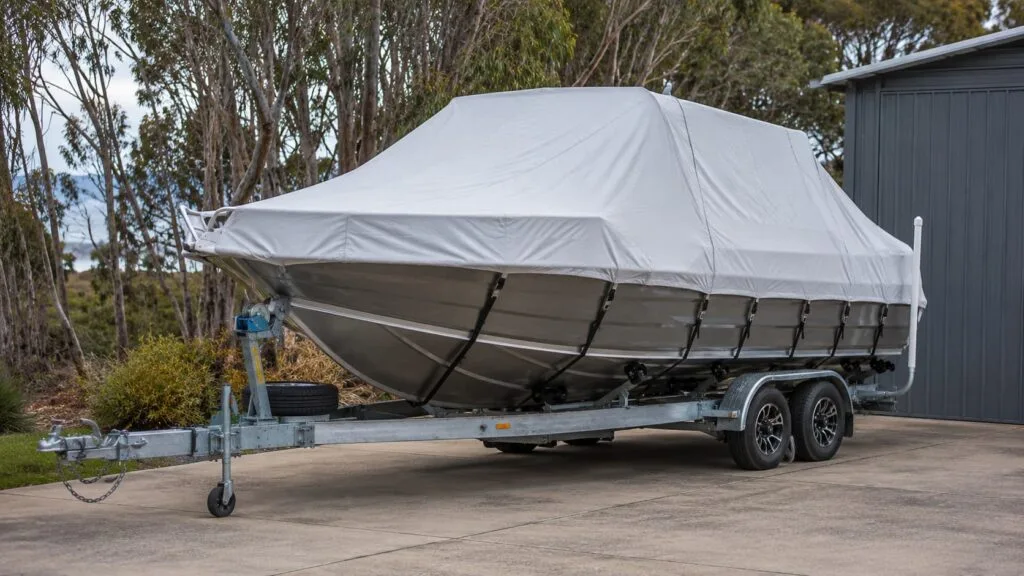
A suitable cover protects the boat from sun, rain, dust and debris. Choose a cover designed for the boat’s size and shape rather than using a loose sheet that can flap against the hull. The cover should not sit in a way that allows water to pool on top. It should also allow adequate ventilation. Avoid allowing fastening lines or other parts of the cover to continually rub against painted or finished surfaces. Movement caused by wind can eventually cause abrasion. For longer storage, it is particularly important to keep moisture moving through the storage area rather than sealing the boat in a damp environment.
Protect the boat from corrosion during storage
Storage is also an opportunity to prevent aluminium boat corrosion. Salt residue should be removed before the boat is stored. Inspect the hull for white deposits, pitting, damaged coatings and corrosion around fittings. Pay particular attention to areas where water can become trapped. Check sacrificial anodes and replace them when required. Inspect electrical connections and look for signs of unusual corrosion. If you have added accessories to the boat, inspect the fittings and connections around them. Dissimilar metals and poor electrical connections can contribute to corrosion, particularly in a marine environment. Regular inspection is much easier than dealing with significant corrosion after it has developed.
What about storing the engine and electrical equipment?
The boat is only one part of the storage process. Follow the outboard manufacturer’s recommendations for long-term storage and servicing. If the boat is going to remain unused for an extended period, consider having the engine professionally serviced rather than leaving maintenance until the next fishing trip. Batteries should also be looked after according to the battery manufacturer’s instructions. Clean terminals, check connections and use an appropriate maintenance or charging routine where required. Remove equipment that could be damaged by prolonged moisture. This can include removable electronics, fishing gear, ropes, cushions and other items that may deteriorate or develop mould. Storage guidance recommends removing equipment that could corrode or become mouldy when exposed to damp conditions for extended periods.
Preparing your aluminium boat after storage
Before taking the boat back onto the water after a period of storage, give it a proper inspection.
Start with the hull.
Look for:
- Corrosion or white deposits
- Pitting
- Cracks or damage
- Loose fittings
- Damaged straps or supports
- Blocked drainage points
- Problems around the transom
Then inspect the trailer. Check the tyres, wheel nuts, bearings, brakes, coupling, lights, safety chains and winch. Reconnect the battery and check electrical equipment. Inspect the engine according to the manufacturer’s service requirements. If the boat has been stored under a cover, check the interior for moisture, mould or water ingress. Finally, make sure the drain plug is fitted correctly before launching.
Sea Raider Boats and transport and storage
Sea Raider Boats builds its plate boats from 5083 marine-grade aluminium, with models designed for Australian fishing and offshore use. Current models include trailer packages matched to different boat sizes, including aluminium trailer options for selected models. This makes correct trailer selection and support particularly important when transporting a larger aluminium fishing boat. For example, Sea Raider’s 7.5m Pro Fisher has a listed dry weight of 1,700kg, while larger models are considerably heavier once the engine, fuel, batteries and fishing equipment are included. The important lesson is that owners should always consider the fully loaded boat, rather than relying only on the hull’s dry weight, when checking trailer capacity. For Sea Raider owners, regular freshwater washing, correct trailer support, secure tie-downs and sensible storage are simple habits that can help protect the boat and trailer between fishing trips.
A simple transport and storage routine
If you want to keep boat care straightforward, follow a routine every time you use the boat.
Before travelling
Check:
- Trailer capacity
- Tow vehicle capacity
- Tyres
- Wheel nuts
- Bearings
- Brakes
- Lights
- Coupling
- Safety chains
- Winch
- Bow restraint
- Stern restraints
- Load distribution
- Loose equipment
After a saltwater trip
Check:
- Hull
- Fittings
- Trailer
- Drainage
- Bilge
- Engine
- Electrical connections
Then rinse the boat and trailer thoroughly with fresh water.
Before long-term storage
Make sure:
- The boat is clean
- The boat is dry
- Standing water has been drained
- Compartments are ventilated
- Removable equipment is stored appropriately
- The hull has been inspected
- Anodes are checked
- The trailer is supported correctly
- The cover allows ventilation
Before launching again
Check:
- Hull condition
- Drain plug
- Battery
- Engine
- Trailer tyres
- Wheel bearings
- Brakes
- Lights
- Safety equipment
- Tie-downs
- Electrical systems
Taking a little time to follow these steps can prevent small problems from becoming major ones.
Frequently Asked Questions
Use a trailer with sufficient capacity for the fully loaded boat, including the motor, fuel, batteries and equipment. Make sure the hull is correctly supported and secure the bow and stern so the boat cannot move during transport.
For transport, use a correctly rated trailer and secure the boat properly. For storage, clean and dry the boat, drain remaining water, inspect for corrosion, protect it with a suitable ventilated cover and maintain the trailer.
Yes. Many trailer boats are stored on their trailers. Make sure the hull remains correctly supported, the trailer is maintained and water can drain from the boat.
A suitable boat cover can protect the boat from rain, UV exposure, dust and debris. Make sure the cover allows adequate ventilation and does not rub against the boat’s surfaces.
Wash the boat inside and out, rinse away salt, allow it to dry, drain standing water, clean the bilge, inspect the hull and fittings, and remove equipment that could be affected by moisture.
Inspect the trailer before every trip, particularly before long-distance travel. Wheel bearings, tyres, brakes, lights, coupling, safety chains and tie-downs should receive particular attention. Regular bearing maintenance is especially important when the trailer is frequently immersed during launching.
Use the correct bow and stern restraints and make sure the boat sits properly on its support system. The restraints should prevent forward, backward and sideways movement without being overtightened.
No. Standing water should generally be drained before long-term storage. Keeping the boat dry helps reduce the risk of corrosion, mould and other moisture-related problems.
Check the trailer’s load rating, towing vehicle capacity, tyres, wheel bearings, brakes, lights, coupling, safety chains, winch, tie-downs and hull support. Remove or secure loose equipment and inspect the setup again during longer journeys.
Good storage can reduce corrosion risks, but it does not eliminate them. Salt residue, trapped moisture, dissimilar metals and electrical issues can still contribute to aluminium boat corrosion. Clean the boat, keep it dry and inspect the hull and fittings regularly.
Final thoughts
Knowing How to Transport and Store an Aluminium Boat properly can make a noticeable difference to its condition and longevity. Safe transport starts with the right trailer. The trailer needs enough capacity for the fully loaded boat, and the hull needs to be supported and secured correctly. Regular checks of tyres, bearings, brakes, lights, safety chains and tie-downs are equally important. Storage is about keeping the boat clean, dry and protected. Rinse away saltwater after use, drain standing water, allow the boat to dry properly and use a suitable cover with adequate ventilation. Most importantly, make boat care a routine rather than something you only think about when a problem appears. A few minutes spent checking the trailer before a trip or rinsing and inspecting the boat afterwards can help protect your investment and keep your aluminium boat ready for the next day on the water.