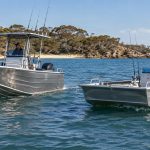
Buying an aluminium boat is an exciting step for any Australian angler. Whether you are planning to fish rivers, explore estuaries or head offshore, it is important to understand the rules that apply before you launch.
One of the most common questions new boat owners ask is whether they need a licence to operate an aluminium boat. The answer is not determined by the fact that the boat is made from aluminium. Australia does not have a separate licence category for aluminium boats. Instead, recreational boating licence requirements vary between states and territories and can depend on factors such as engine power, operating speed and the type of vessel.
So, if you are looking for information about a licence to drive an aluminium boat in Australia, the first thing you need to know is where you intend to operate the boat. This guide explains the recreational boat licence requirements across Australia and covers some of the other important requirements you should understand before taking an aluminium fishing boat on the water.
Do You Need a Licence to Drive an Aluminium Boat?
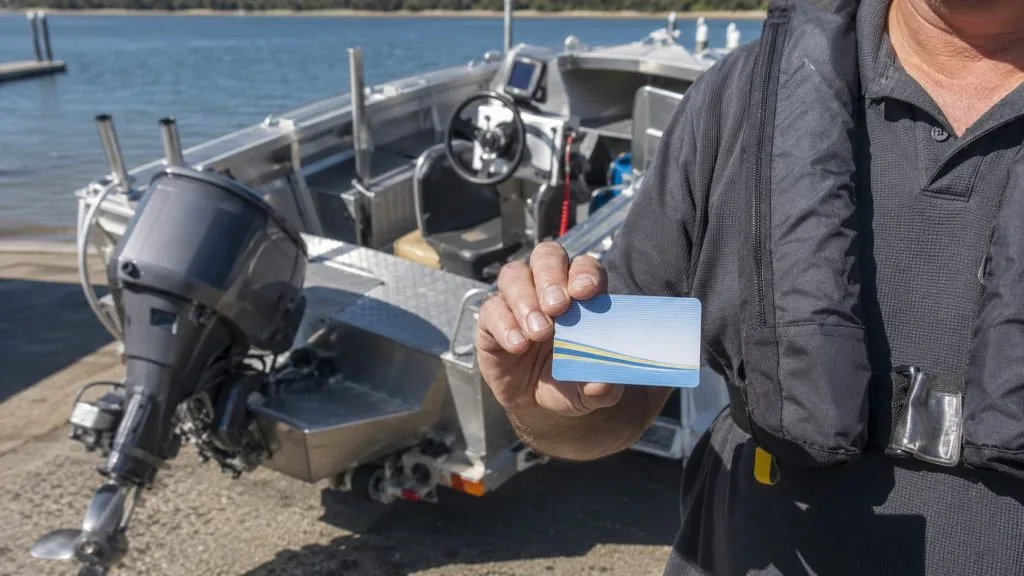
There is no nationwide licence specifically for aluminium boats. An aluminium boat is treated in the same way as another recreational motorboat of the same type and operating conditions. Whether you need a boat licence in Australia depends primarily on the state or territory where you are operating.
For example, Queensland requires a recreational marine licence for boats with an engine greater than 4.5kW. Western Australia requires a Recreational Skipper’s Ticket, commonly called an RST, for recreational vessels with motors exceeding 6 horsepower or 4.5kW. South Australia takes a different approach and requires a boat operator’s licence to operate a recreational vessel fitted with an engine, subject to applicable exemptions and special arrangements.
This means two people could own very similar aluminium fishing boats but face different licensing requirements depending on where they use them.
Does the Material of the Boat Affect the Licence Requirement?
No. Whether your boat is made from aluminium, fibreglass, timber or another suitable boat-building material does not generally determine whether you need a recreational boat licence.
The important factors are the rules applying in the jurisdiction where you operate the vessel. Choosing an aluminium plate boat because of its strength, durability and suitability for Australian fishing conditions does not create a separate licensing category.
Instead, you need to check the normal recreational boating rules for your state or territory, along with any registration and safety requirements that apply to your vessel.
Boat Licence Requirements by State and Territory
Because boating licence requirements differ across Australia, it is important to check the regulations for the waterway where you intend to operate your boat. The following provides a general overview, but current government requirements should always be checked before you operate a vessel.
New South Wales
In NSW, a general boat driving licence is required when operating a recreational vessel at 10 knots or more, which is approximately 18.5km/h. A separate licence is required to operate a personal watercraft at any speed.
You can apply for a NSW general boat licence from age 12, although restrictions apply to licence holders under 16. Applicants need to meet the relevant knowledge and practical experience requirements before receiving their licence.
It is also important to distinguish licensing from registration. NSW has separate vessel registration requirements, and certain vessels must be registered based on factors including engine power and vessel length. If you are purchasing an aluminium fishing boat for use in NSW, check both requirements before launching.
Queensland
Queensland uses an engine power threshold for recreational marine licences. You need a recreational marine licence to operate a boat with an engine greater than 4.5kW. A separate personal watercraft licence is required to operate a PWC.
The minimum age for a recreational marine licence is generally 16. Applicants need to complete the appropriate licensing requirements, which can include an approved BoatSafe course or recognised interstate licence arrangements.
Queensland also has provisions allowing an unlicensed person to operate a boat under appropriate supervision by a licensed person who can immediately take control. Specific conditions apply, so operators should check the current requirements before relying on supervised operation.
For most aluminium fishing boats fitted with conventional outboards, the engine power will be well above the 4.5kW threshold. As a result, a recreational marine licence will generally be required.
Victoria
Victoria requires a marine licence to operate a registered boat in Victorian waters. There are specific arrangements for younger operators, including a restricted marine licence, while additional requirements apply to personal watercraft.
For someone purchasing an aluminium fishing boat, the important point is that the licence requirement is linked to operating a registered boat rather than the hull material.
If you purchase an aluminium boat and intend to use it in Victorian waters, check the current marine licensing and vessel registration requirements before heading out.
Western Australia
Western Australia requires a Recreational Skipper’s Ticket, commonly known as an RST, to operate a recreational vessel with a motor exceeding 6 horsepower or 4.5kW.
There are additional restrictions for younger operators. RST holders under 16 are subject to conditions including restrictions on operating hours and speed.
An RST is not required to operate a vessel without a motor or a vessel with a motor of 6hp or less.
For owners of larger aluminium fishing boats fitted with outboards, the engine will generally exceed this threshold, meaning an RST will be required. Powerboats in Western Australia must also meet the applicable vessel registration requirements.
South Australia
South Australia has one of the broader recreational boat licensing requirements in Australia. A current Boat Operator’s Licence is generally required to operate a recreational vessel fitted with an engine, regardless of the engine’s size.
People aged 16 and over can apply for a boat operator’s licence, while specific arrangements apply to younger operators.
For anyone buying an aluminium boat for recreational fishing in South Australia, the key takeaway is that an engine-powered recreational vessel generally requires the appropriate operator’s licence. Always check the current rules and any applicable exemptions with the relevant authority.
Tasmania
Tasmania requires a licence to operate a recreational boat with power of 4hp or more. A provisional boat licence is also available for younger operators, with additional restrictions applying to how and when the boat can be operated.
The relatively low engine-power threshold means that many aluminium fishing boats with outboard motors will fall within the licensing requirements.
If your boat is fitted with an engine producing 4hp or more, check that you have the appropriate licence before operating it in Tasmanian waters.
Northern Territory
The Northern Territory differs from most other Australian jurisdictions because recreational boat operators do not currently need a recreational boat licence.
However, this does not mean there are no boating rules. Operators still need to comply with marine safety laws and carry the required safety equipment. Local hazards, weather conditions, crocodile safety and waterway requirements should also be taken seriously.
Anyone planning to fish or travel in the Northern Territory should familiarise themselves with the applicable marine safety rules before heading out.
Australian Capital Territory
The ACT has its own boating and lake safety framework, with requirements that can overlap with the NSW regulatory environment for certain waterways.
If you intend to operate an aluminium boat in the ACT, check the current ACT requirements for the specific waterway rather than assuming that a licence from another state automatically applies.
What Licence Do You Need for an Aluminium Fishing Boat?
The answer depends on where you plan to use the boat and, in some jurisdictions, the engine fitted to it.
For a typical aluminium fishing boat with an outboard, Queensland and Western Australia use engine-power thresholds, Tasmania also uses an engine-power threshold, NSW uses a speed threshold for its general recreational boat licence, Victoria requires a marine licence to operate a registered boat, and South Australia generally requires a licence for recreational vessels fitted with an engine.
The Northern Territory currently does not require a recreational boat licence.
These differences are important for anyone who regularly travels interstate with their boat. Do not assume that the rules in your home state automatically apply everywhere you go.
What is the Difference Between a Boat Licence and Boat Registration?
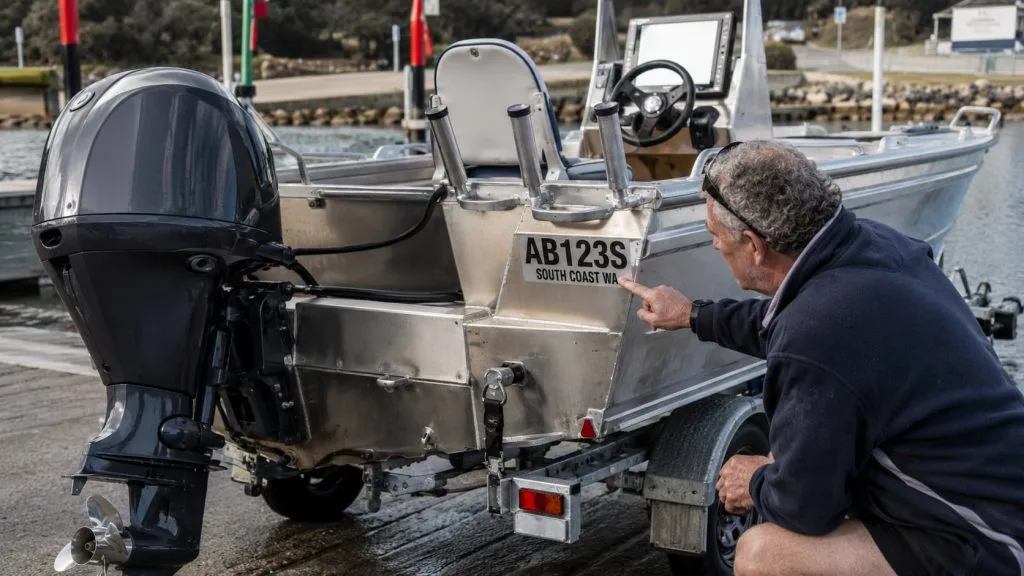
Boat licensing and boat registration are two separate requirements.
A boat licence relates to the person operating the vessel, while boat registration relates to the vessel itself.
You may therefore need to satisfy two separate requirements before using your aluminium boat.
For example, NSW has separate rules covering when a vessel must be registered and when a person must hold a boat driving licence. Western Australia similarly has separate requirements for vessel registration and the Recreational Skipper’s Ticket.
Registering your boat does not automatically give you permission to operate it. Likewise, having a boat licence does not necessarily mean that the vessel itself is correctly registered.
Do You Need a Separate Licence for a Jet Ski?
Personal watercraft, commonly called jet skis, are treated differently in several states.
In NSW, a separate PWC licence is required to operate a personal watercraft at any speed. Queensland also requires both a recreational marine licence and a personal watercraft licence for operating a PWC.
The rules differ between jurisdictions, so check the requirements in your state before operating a jet ski or another type of personal watercraft.
An aluminium fishing boat with a conventional outboard should not be confused with a personal watercraft when determining which licence applies.
Do You Need a Licence to Drive an Aluminium Boat Offshore?
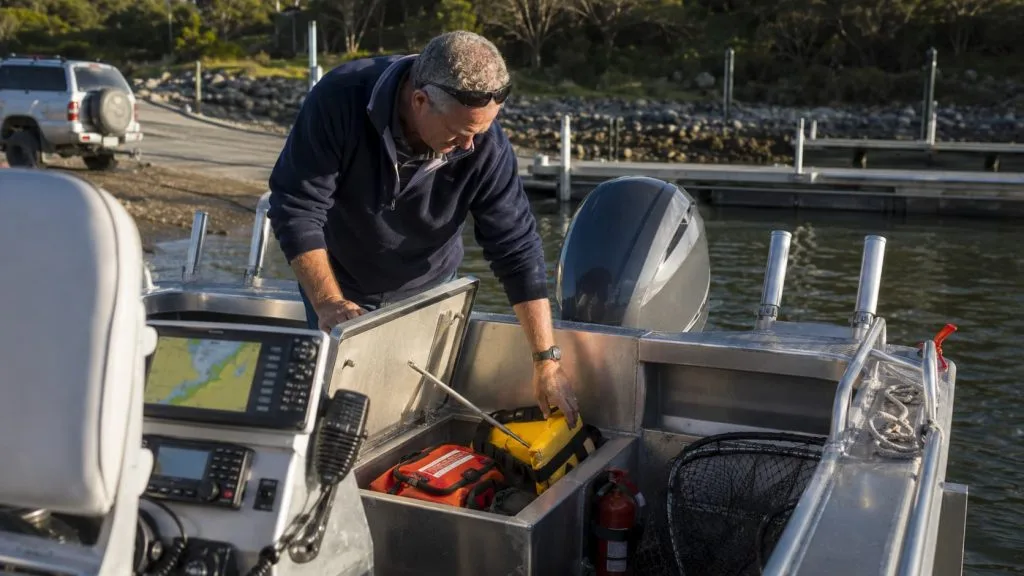
Taking an aluminium fishing boat offshore does not automatically create a separate offshore boat licence.
The licensing requirement generally comes from the recreational boating rules that apply in the state or territory where you operate.
However, offshore boating comes with additional responsibilities. Before heading offshore, you should understand the local boating rules, weather and marine forecasts, navigation requirements, safety equipment requirements, lifejacket rules, communication options and emergency procedures.
You should also understand the local fishing regulations that apply to the area.
Having the correct boat licence is only one part of preparing for an offshore fishing trip.
Does a Sea Raider Boat Require a Special Licence?
There is no separate licence simply because a boat is a Sea Raider or because it is constructed from aluminium.
Sea Raider’s range includes aluminium plate boats designed for Australian fishing conditions, including larger Pro Fisher models with substantial outboard engine options. The licence you need depends on where you operate the boat and the requirements of that jurisdiction.
For example, the larger Pro Fisher models can be fitted with high-powered outboards. This means owners operating these boats in states that use engine power as part of their licensing requirements need to pay particular attention to the applicable threshold.
Sea Raider publishes specifications for its individual models, including hull dimensions, engine options and other construction details. Checking these specifications alongside the licensing requirements for your state can help you understand what you need before taking delivery of a new boat.
What Happens if You Drive a Boat Without the Required Licence?
Operating a recreational boat without the required licence can result in penalties. The exact consequences depend on the state or territory and the circumstances involved.
Some jurisdictions have specific penalties for operating without the appropriate licence, while other offences can relate to registration, safety equipment or operating outside the conditions of your licence.
The safest approach is to confirm the requirements before launching rather than assuming that a licence is optional.
This is particularly important when travelling interstate. A licence that is valid in one jurisdiction may not automatically give you unrestricted rights to operate a boat in another.
Can You Use an Interstate Boat Licence?
In some circumstances, an interstate licence can be recognised, but the rules vary between jurisdictions.
Queensland, for example, recognises certain current recreational marine licences issued by other Australian states and territories, provided the holder meets the applicable conditions.
NSW also has arrangements for interstate licence holders, although visitors who remain in NSW for an extended period may need to obtain or transfer to the appropriate NSW licence.
If you are planning an interstate fishing trip, check the destination state’s requirements before leaving home. This is particularly important if you are staying for an extended period or plan to operate the boat regularly.
What Should You Check Before Buying an Aluminium Boat?
Boat licensing is only one part of the buying process. Before purchasing an aluminium fishing boat, think about where you will use it, what engine it will have, whether it needs to be registered and what safety equipment you will need.
Consider whether your main use will be on rivers, lakes, estuaries, coastal waters or offshore. Your intended operating environment can influence the type and size of boat that makes sense for you.
The engine is also important because several Australian jurisdictions use engine power as part of their licensing requirements.
You should also check the registration requirements that apply to the specific vessel. Registration rules can depend on factors such as engine power, vessel length and intended use.
If you intend to use the boat commercially rather than recreationally, do not assume that recreational licensing rules will apply. Commercial vessel operations can be subject to different requirements and regulations.
Frequently Asked Questions
There is no single Australia-wide aluminium boat licence. Requirements depend on the state or territory where you operate, along with factors such as engine power, operating speed and vessel type.
No. There is no special licence category based on the material of the boat. Aluminium boats follow the recreational boating licensing requirements that apply to other comparable vessels in the relevant state or territory.
Yes, if the boat has an engine greater than 4.5kW. Queensland requires a recreational marine licence for these boats.
A general boat driving licence is required when operating a recreational vessel at 10 knots or more on NSW waters. A separate PWC licence is required for personal watercraft.
Victoria requires a marine licence to operate a registered boat in Victorian waters. Additional requirements apply to personal watercraft.
You need a Recreational Skipper’s Ticket when operating a recreational vessel with a motor exceeding 6hp or 4.5kW.
Generally, yes. South Australia requires a boat operator’s licence to operate a recreational vessel fitted with an engine, regardless of engine size, subject to applicable exemptions and special arrangements.
You need a recreational boat licence to operate a boat with power of 4hp or more. Additional restrictions apply to provisional licence holders.
No. Recreational boat operators in the Northern Territory are not currently required to hold a recreational boat licence. However, operators must still comply with marine safety laws and carry the required safety equipment.
Not necessarily. Licensing rules vary between jurisdictions. Some states use engine power, some use operating speed and others require licensing for most or all engine-powered recreational vessels. Boat size can be relevant to registration and other requirements, but it is not a universal licensing threshold.
Final Thoughts
If you are researching the licence to drive an aluminium boat in Australia, the most important thing to remember is that there is no separate licence based on the hull material.
An aluminium boat is subject to the recreational boating rules of the state or territory where it is operated. For a typical aluminium fishing boat, the engine is particularly important in Queensland, Western Australia and Tasmania, while NSW uses a speed threshold for its general recreational boat licence. Victoria requires a marine licence for operating a registered boat, South Australia has a broad engine-powered vessel licensing requirement, and the Northern Territory currently does not require a recreational boat licence.
If you are considering a Sea Raider aluminium boat, check the licensing and registration requirements in the state where you intend to use it before taking delivery. You should also consider the boat’s engine size, intended operating area and required safety equipment.
Most importantly, treat licensing as part of being prepared for the water. Understanding the rules, knowing your boat and carrying the required safety equipment will help you enjoy Australia’s waterways safely and responsibly.
Disclaimer
The information in this article is provided for general informational purposes only and was accurate at the time of writing. Boat licence, registration, safety and operating requirements can vary between Australian states and territories and may change over time.
Before operating an aluminium boat, check the current requirements with the relevant state or territory marine authority for the waters where you intend to operate. Sea Raider Boats does not provide legal or licensing advice and accepts no responsibility for actions taken solely on the basis of the information provided in this article.
Last reviewed: August 2026