Owning a boat trailer comes with responsibilities that go well beyond simply hitching up and heading to the ramp. One of the most critical yet often overlooked components is the boat trailer brakes. In Australian conditions, where trailers are frequently submerged in saltwater and exposed to long-distance towing, regular brake maintenance is essential for safety, compliance, and longevity.
For boat owners across Australia, understanding how to properly maintain a boat trailer and its braking system can help prevent breakdowns, avoid costly repairs, and ensure safe towing on highways, coastal roads, and remote boat ramps. Whether you are towing a smaller fishing boat or a larger offshore vessel available through Sea Raider Boats, keeping your boat trailer brakes in top condition is non-negotiable.
This guide brings together proven maintenance advice drawn from trusted Australian marine and trailer resources, presenting a complete and practical approach to caring for your boat trailer brakes.
Why Boat Trailer Brake Maintenance Matters
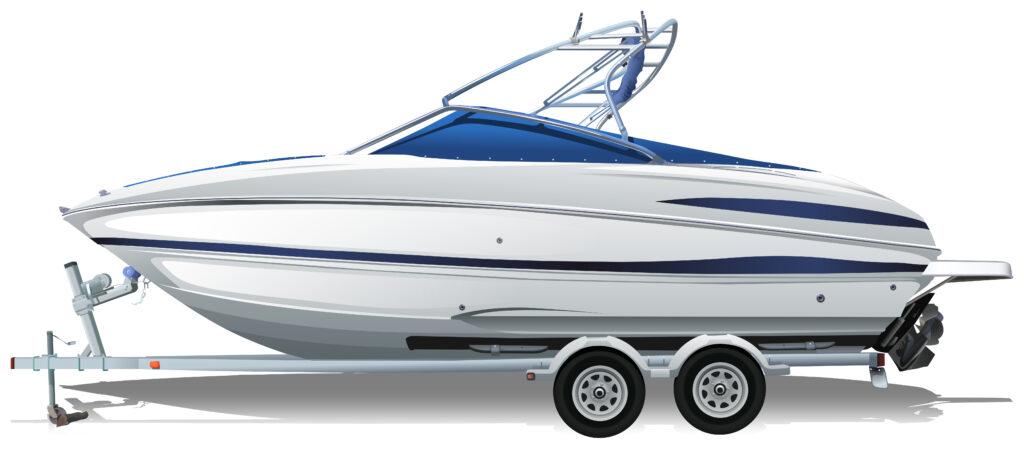
Boat trailer brakes play a vital role in controlling stopping distances, maintaining vehicle stability, and ensuring safe towing, particularly when hauling heavier loads. In Australia, trailers over a certain weight are legally required to have braking systems, making brake maintenance both a safety and compliance issue.
Boat trailers face harsher conditions than most other trailers. Frequent immersion in water, particularly saltwater, accelerates corrosion and wear. Even freshwater exposure can lead to rust, contamination, and component failure if not properly managed. Over time, neglected boat trailer brakes can seize, lose effectiveness, or fail, putting strain on the towing vehicle and increasing the risk of accidents.
Regular maintenance helps ensure consistent braking performance, extends the life of brake components, and reduces the likelihood of expensive emergency repairs.
Understanding Boat Trailer Brake Systems
Before maintaining boat trailer brakes, it is important to understand how these systems work and what components require attention. Most boat trailers in Australia are fitted with either mechanical override brakes, hydraulic brakes, or electric-over-hydraulic systems, depending on trailer weight and design.
Boat trailer brakes generally include brake calipers or brake shoes, discs or drums, hydraulic lines or cables, brake fluid, bearings, and associated mounting hardware. Because these components are exposed to water and road debris, they require ongoing inspection and care.
Boat trailer parts in Australia are designed to withstand marine conditions, but even marine-grade components need routine maintenance to perform reliably.
How Saltwater Affects Boat Trailer Brakes
Saltwater is one of the biggest threats to boat trailer brakes. Every time a trailer is submerged during launching or retrieval, salt can enter brake assemblies, accelerating corrosion and causing components to seize or degrade prematurely.
Brake calipers and pistons are particularly vulnerable, as salt buildup can restrict movement and reduce braking efficiency. Brake lines and fittings may also corrode over time, leading to fluid leaks and reduced braking performance.
Australian coastal conditions make it especially important for boat owners to take proactive steps to minimise salt exposure and clean trailer brakes after each use.
Rinsing Boat Trailer Brakes After Use
One of the simplest yet most effective maintenance practices is thoroughly rinsing boat trailer brakes after every trip. This is especially important after launching or retrieving a boat in saltwater.
Freshwater rinsing helps remove salt, sand, and debris that can lodge inside brake components. Paying close attention to calipers, discs, drums, and brake lines can significantly reduce corrosion and prolong component life.
Allowing brakes to dry properly after rinsing also helps prevent moisture from becoming trapped inside assemblies, which can otherwise lead to rust formation.
Inspecting Boat Trailer Brakes Regularly
Regular inspections are essential to identify early signs of wear or damage before they become serious problems. Boat owners should visually inspect their boat trailer brakes before and after trips, especially when towing long distances.
Checking for visible rust, corrosion, fluid leaks, uneven wear, or seized components can help catch issues early. Brake discs and drums should be examined for scoring or excessive corrosion, while calipers should move freely without sticking.
Hydraulic systems should be inspected for leaks, damaged hoses, or contaminated brake fluid, as these can compromise braking effectiveness.
Maintaining Brake Fluid and Hydraulic Components
For boat trailers equipped with hydraulic brakes, maintaining clean and effective brake fluid is critical. Brake fluid can absorb moisture over time, particularly in marine environments, reducing braking performance and increasing corrosion within the system.
Flushing and replacing brake fluid at recommended intervals helps maintain consistent braking pressure and protects internal components. Checking fluid levels regularly and ensuring that the master cylinder is functioning correctly are also important parts of routine maintenance.
In Australian conditions, where temperature fluctuations and humidity can affect hydraulic systems, proactive fluid maintenance is especially important.
Caring for Mechanical Override Brake Systems
Many boat trailers in Australia use mechanical override braking systems, which rely on the trailer’s momentum to activate the brakes. These systems include moving components such as cables, linkages, and actuators that require regular inspection and lubrication.
Ensuring that moving parts operate smoothly without binding or excessive resistance is key to effective braking. Corrosion or debris buildup can prevent override mechanisms from engaging correctly, leading to delayed or reduced braking response.
Regular cleaning and lubrication using appropriate marine-grade products can help keep mechanical brake systems functioning as intended.
Checking Brake Pads, Shoes, and Discs
Brake pads, shoes, and discs are wear components that require periodic inspection and replacement. Over time, friction materials wear down, reducing braking effectiveness and increasing stopping distances.
Boat trailer brakes should be checked for uneven wear, thinning pads, or damaged discs. Replacing worn components promptly helps maintain safe braking performance and prevents damage to other parts of the system.
Using quality boat trailer parts in Australia that are designed for marine use ensures better durability and resistance to corrosion.
Wheel Bearings and Their Role in Brake Performance
While not part of the braking system itself, wheel bearings play a critical role in overall trailer safety and brake performance. Failing bearings can cause excessive heat, vibration, and even brake damage.
Regularly inspecting and maintaining wheel bearings helps ensure smooth wheel rotation and reduces stress on brake components. Bearing maintenance should always be considered alongside brake inspections as part of a comprehensive boat trailer maintenance routine.
Testing Boat Trailer Brakes Before Towing
Before heading out on the road, it is essential to test boat trailer brakes to ensure they are functioning correctly. Performing a low-speed brake test can help identify issues such as delayed engagement, uneven braking, or unusual noises.
Testing should be done in a safe, controlled environment and should be part of every pre-trip check. Addressing brake issues before towing helps prevent dangerous situations on busy Australian roads.
Long-Term Storage and Boat Trailer Brake Care
Boat trailers that are stored for extended periods require additional care to prevent brake components from seizing or deteriorating. Moisture, humidity, and lack of movement can all contribute to corrosion and component failure.
Storing the trailer in a dry, well-ventilated area and periodically moving the trailer can help prevent brakes from sticking. Rinsing and drying the trailer thoroughly before storage also helps protect brake components.
For Australian boat owners who store their trailers during off-season periods, proactive brake care is especially important.
Choosing Quality Boat Trailer Parts in Australia
When replacing or upgrading brake components, choosing high-quality boat trailer parts in Australia ensures better performance and longevity. Marine-grade parts are specifically designed to withstand immersion, corrosion, and heavy towing loads.
Using compatible components that meet Australian standards also helps ensure legal compliance and safe towing. Investing in quality parts can reduce maintenance frequency and improve overall braking reliability.
Matching Trailer Brakes to Your Sea Raider Boats Setup
Sea Raider Boats offers a range of boat options designed to suit different boating needs, and each boat type places different demands on the trailer and braking system. Whether towing lighter setups for inshore use or larger configurations for offshore conditions, properly maintained boat trailer brakes ensure safe transport and smooth handling.
Matching the trailer brake system to the size and weight of your Sea Raider Boats setup is essential. Regular brake maintenance ensures that your trailer remains capable of safely supporting and transporting the boat you choose, regardless of where your boating adventures take you across Australia.
Professional Servicing and When to Seek Help
While many maintenance tasks can be handled by boat owners, there are times when professional servicing is necessary. Persistent braking issues, hydraulic failures, or significant corrosion should be assessed by qualified technicians familiar with boat trailer systems.
Regular professional inspections can complement routine owner maintenance and help identify hidden issues before they become serious problems. In Australia, professional servicing is particularly valuable for trailers that are frequently used or exposed to harsh marine environments.
Making Boat Trailer Brake Maintenance a Routine Habit
Consistency is the key to effective boat trailer brake maintenance. Developing a routine that includes rinsing, inspection, testing, and servicing helps ensure reliable braking performance year-round.
Australian boating conditions demand a proactive approach, and maintaining boat trailer brakes should be considered an essential part of boat ownership rather than an occasional task.
By staying attentive to brake conditions and addressing issues early, boat owners can enjoy safer towing, reduced maintenance costs, and greater peace of mind.
Frequently Asked Questions About Boat Trailer Brakes
Boat trailer brakes should be inspected after every few trips and thoroughly maintained on a regular basis, especially if the trailer is used in saltwater environments common across Australia.
Boat trailer brakes are frequently submerged in water, which introduces moisture and salt that accelerate corrosion and wear compared to standard road trailers.
Towing a boat trailer with faulty brakes is unsafe and may be illegal depending on trailer weight. Properly functioning boat trailer brakes are essential for safe towing.
In Australia, boat trailers over certain weight limits are legally required to have braking systems. Requirements vary based on trailer mass and state regulations.
Regular freshwater rinsing after use, proper drying, and routine inspections help minimise corrosion on boat trailer brakes.
Common signs include reduced braking effectiveness, unusual noises, visible corrosion, fluid leaks, or brakes that feel stiff or unresponsive.
Marine-grade boat trailer parts in Australia are designed to handle immersion and corrosion, making them highly recommended for durability and safety.
Professional servicing is recommended periodically, particularly for hydraulic systems or trailers that are heavily used or exposed to harsh marine conditions.